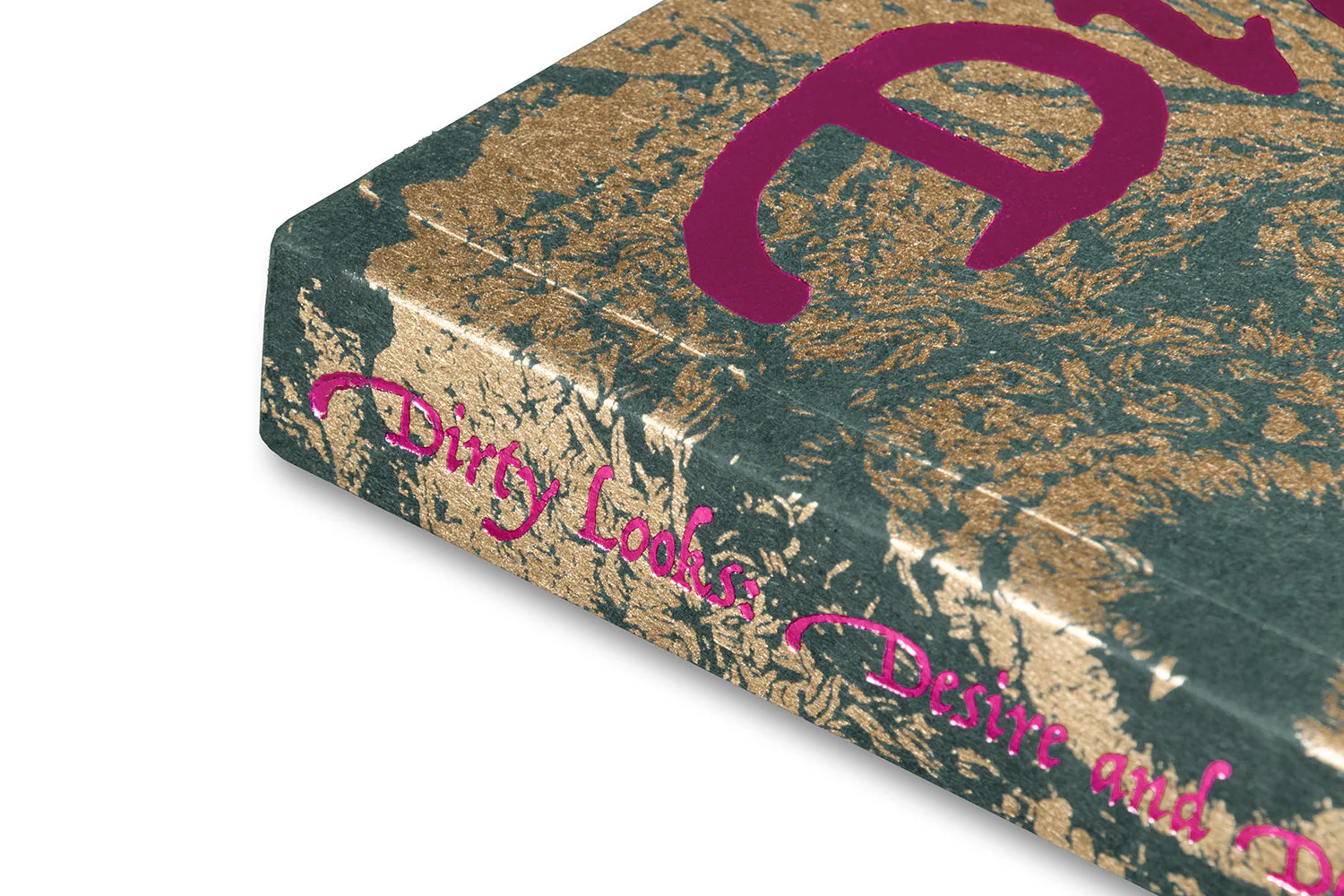
Dirty Looks: Desire and Decay in Fashion
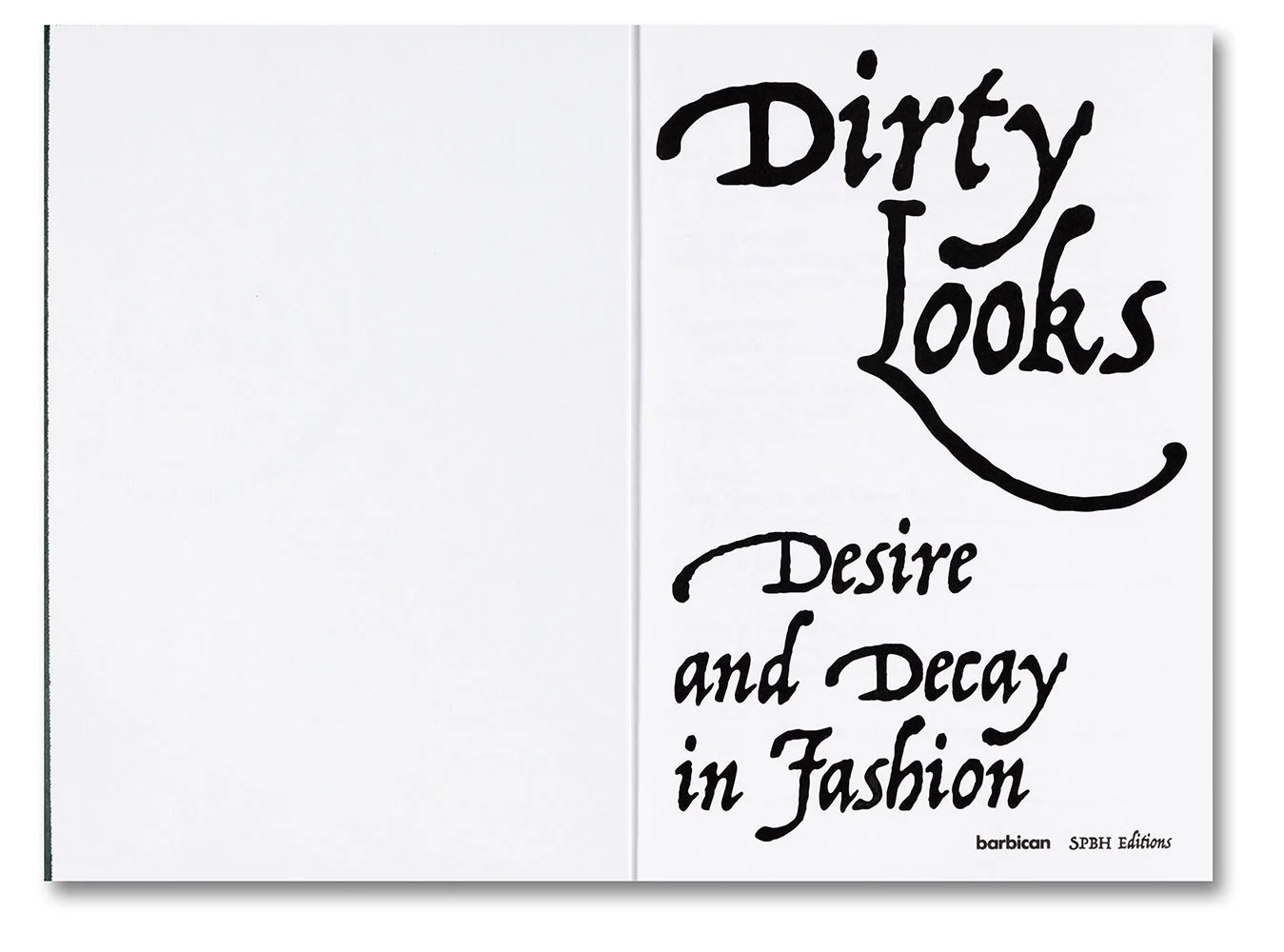
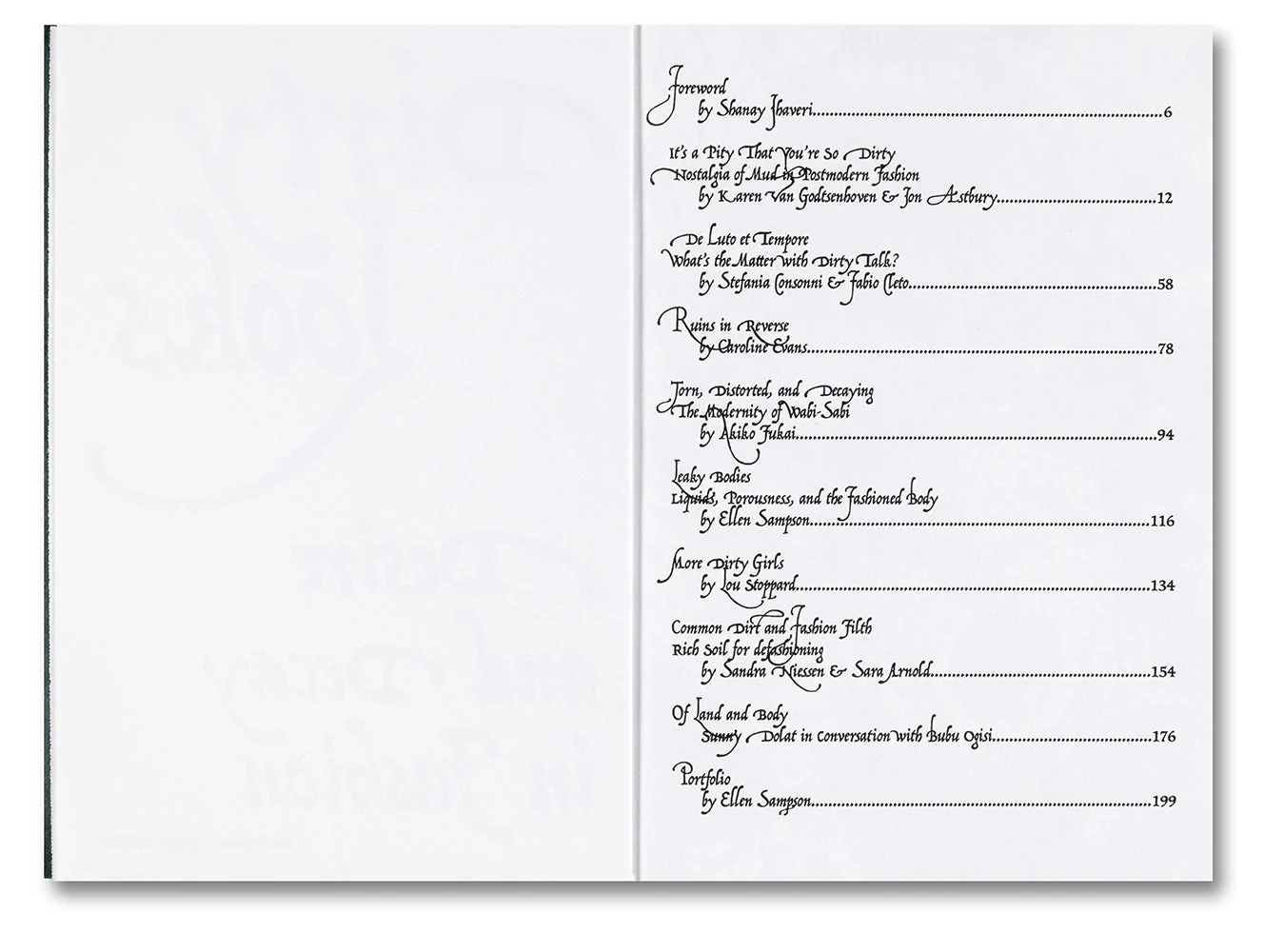
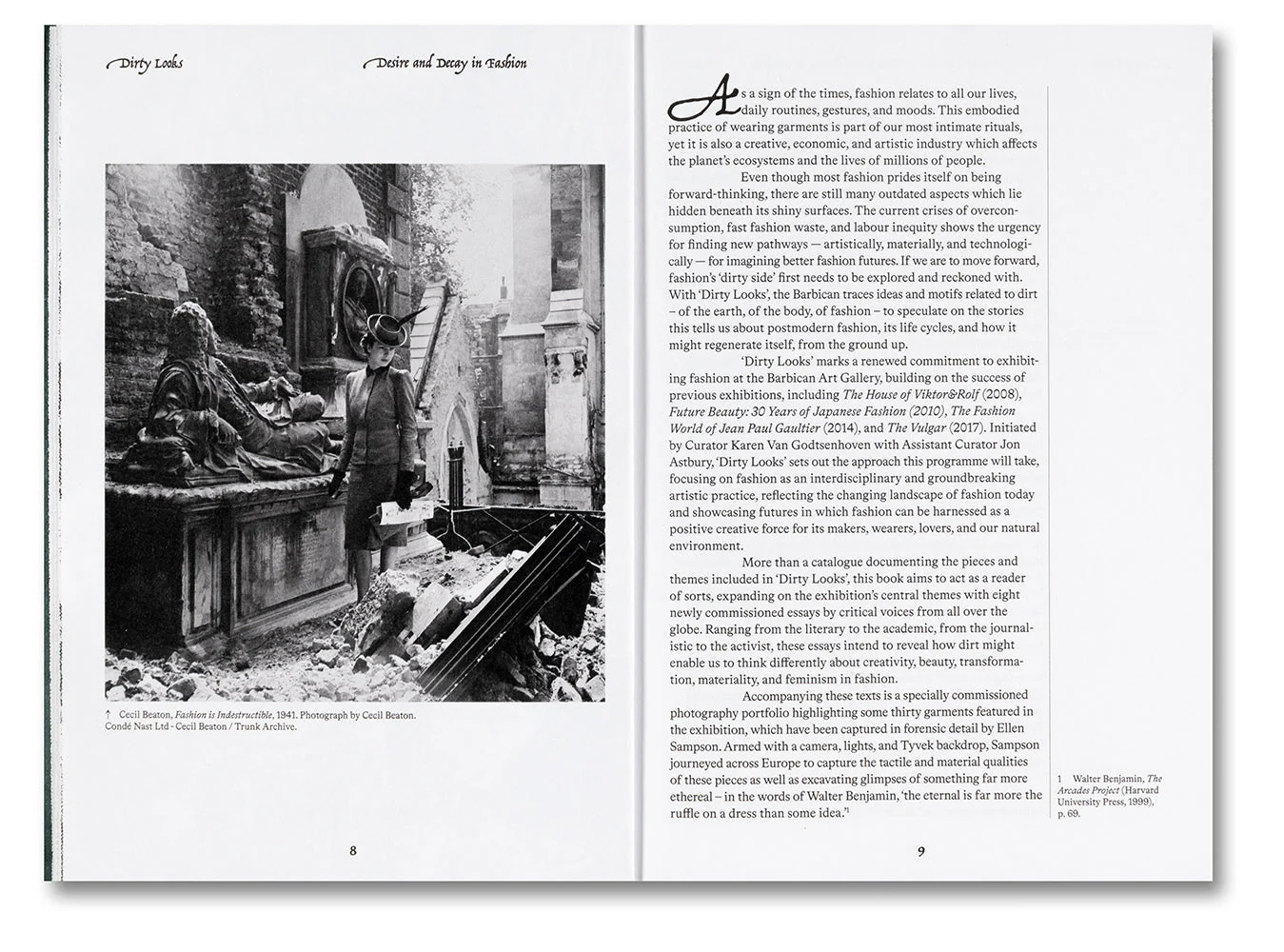
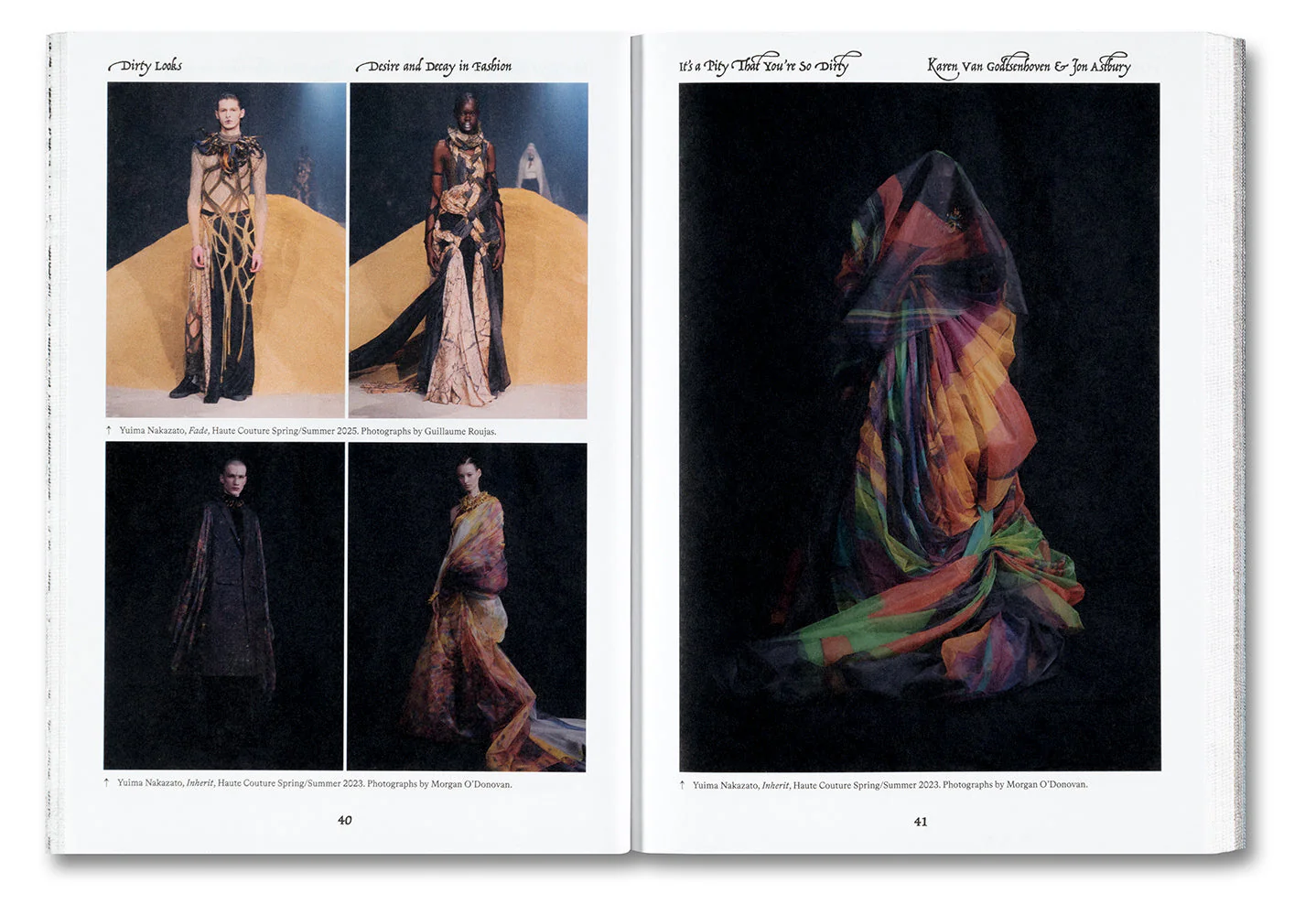
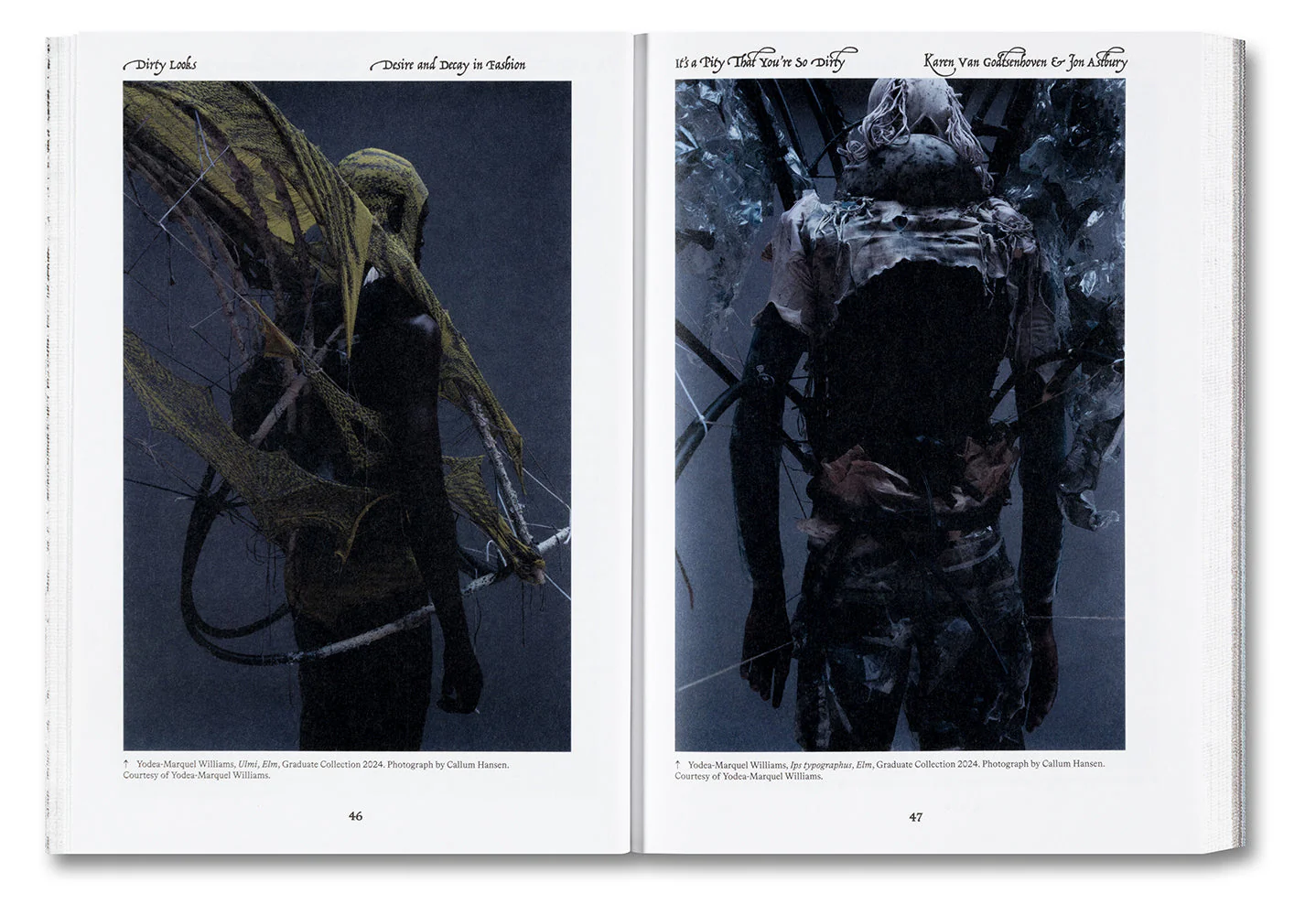
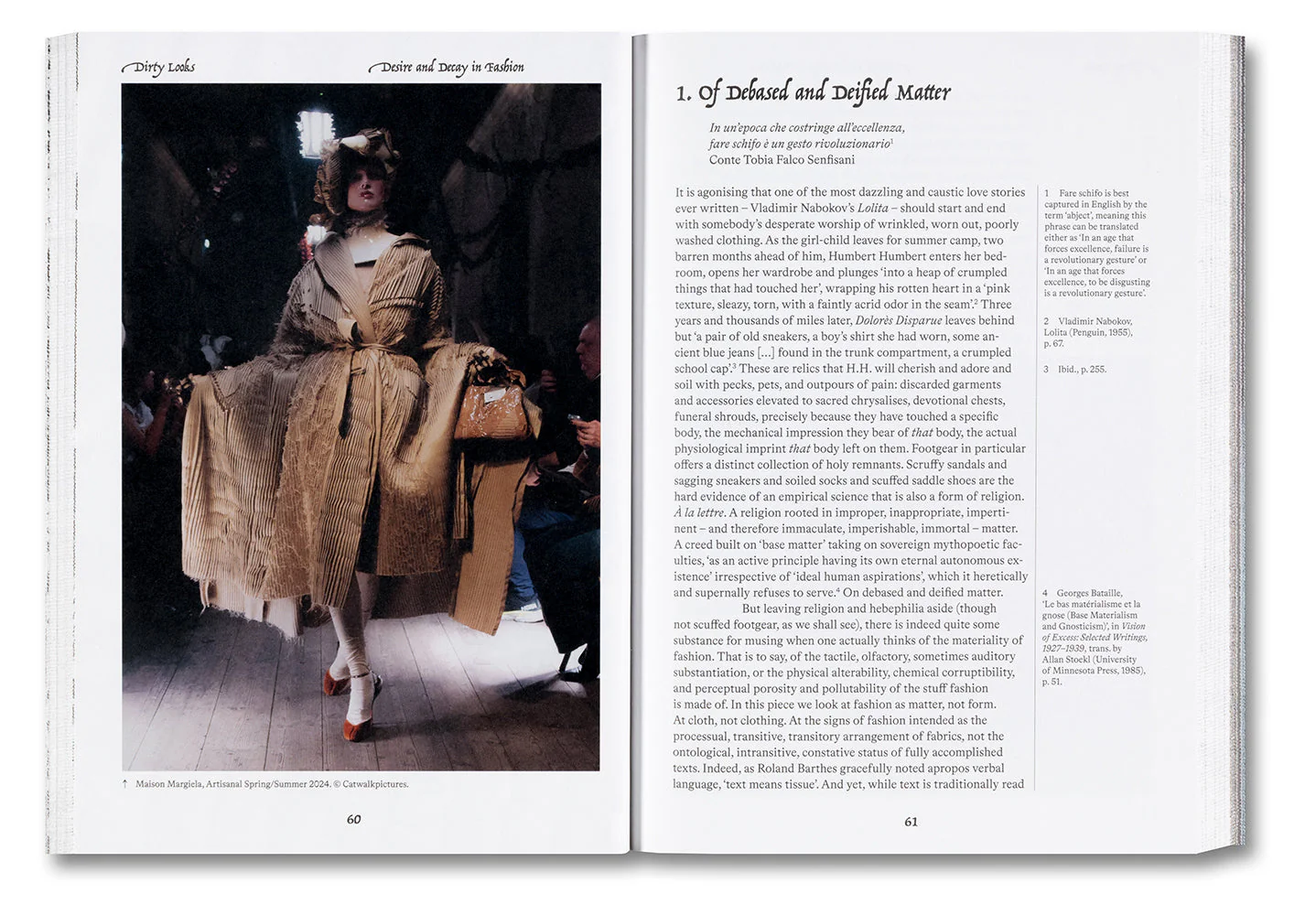
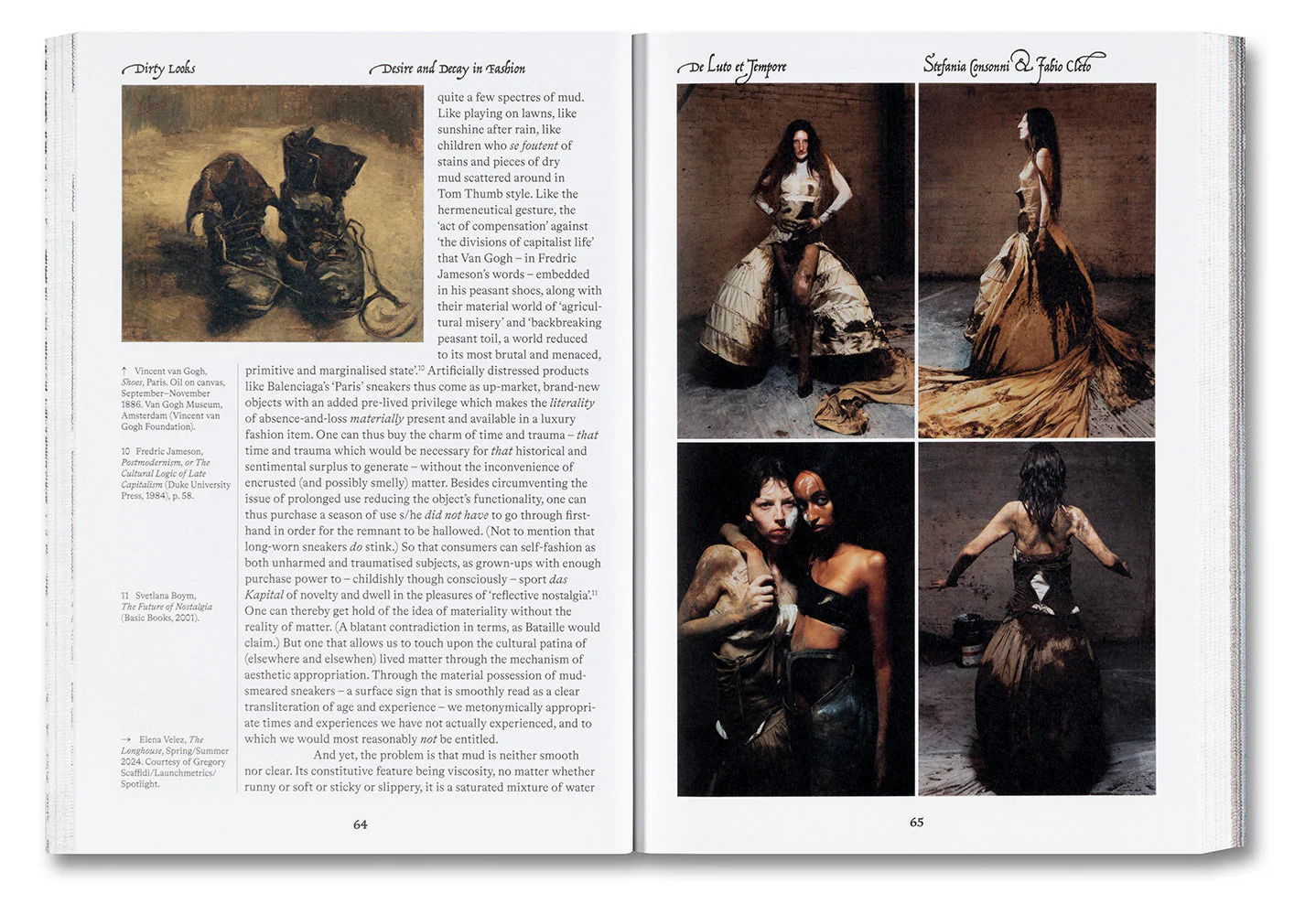
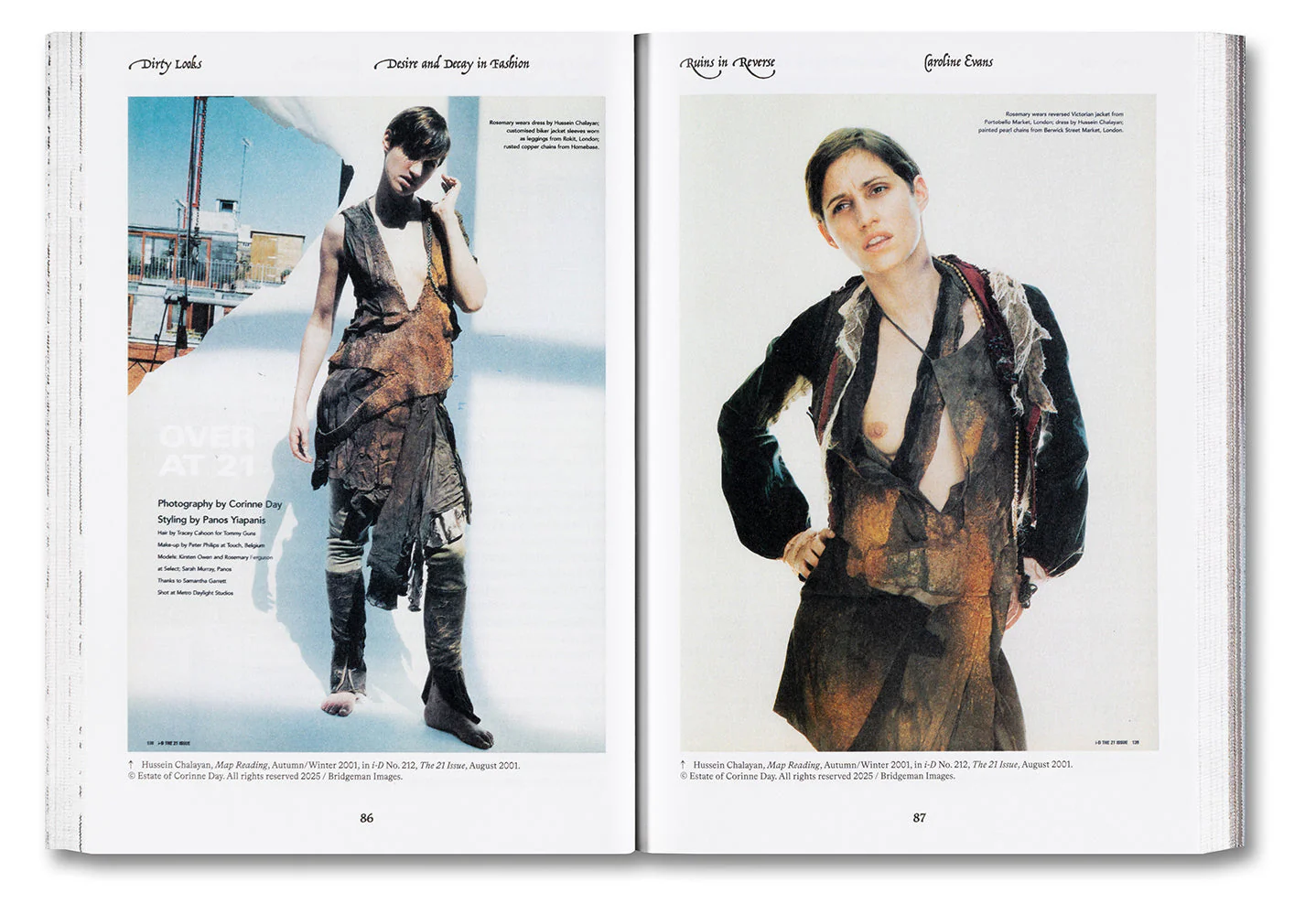
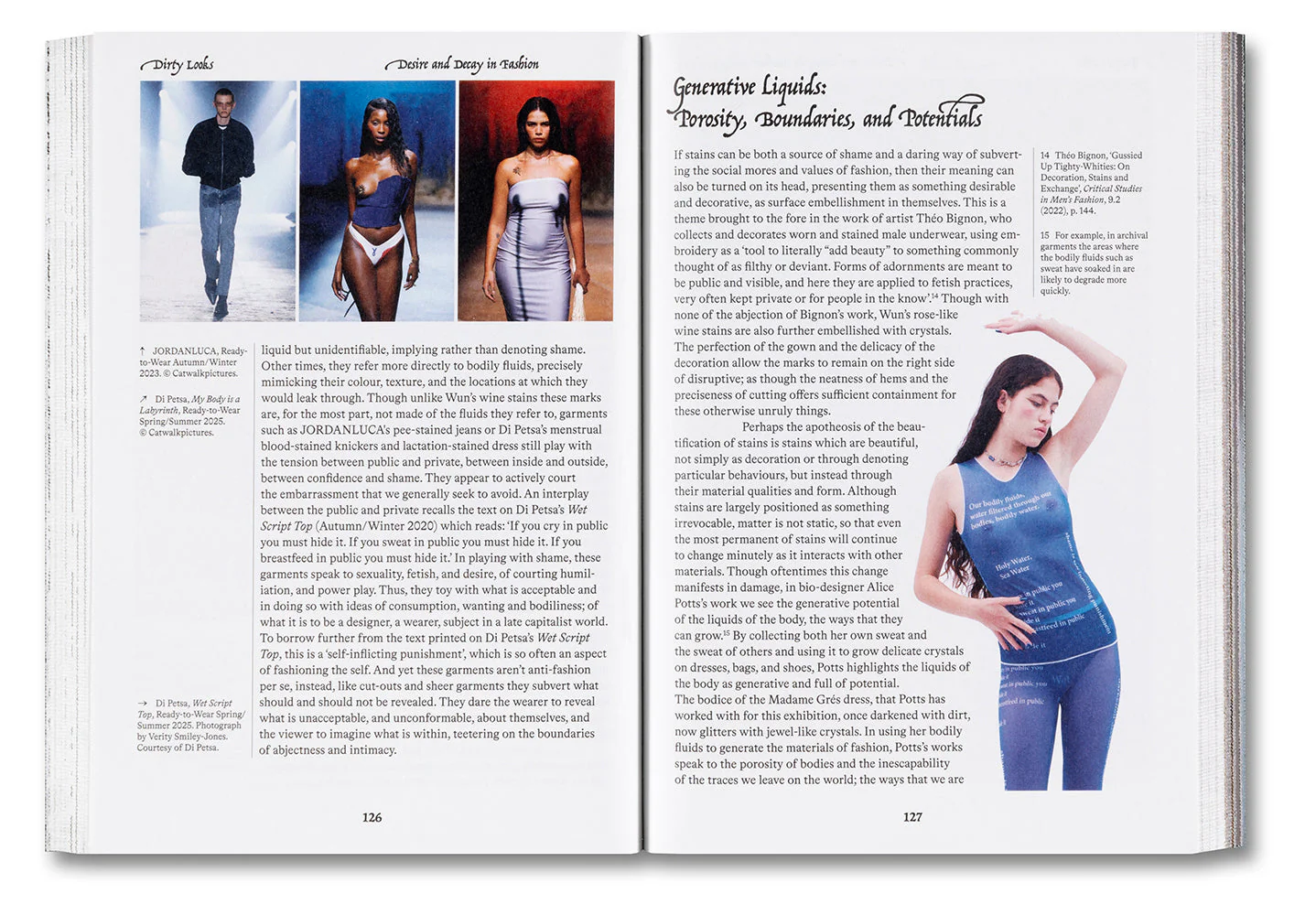
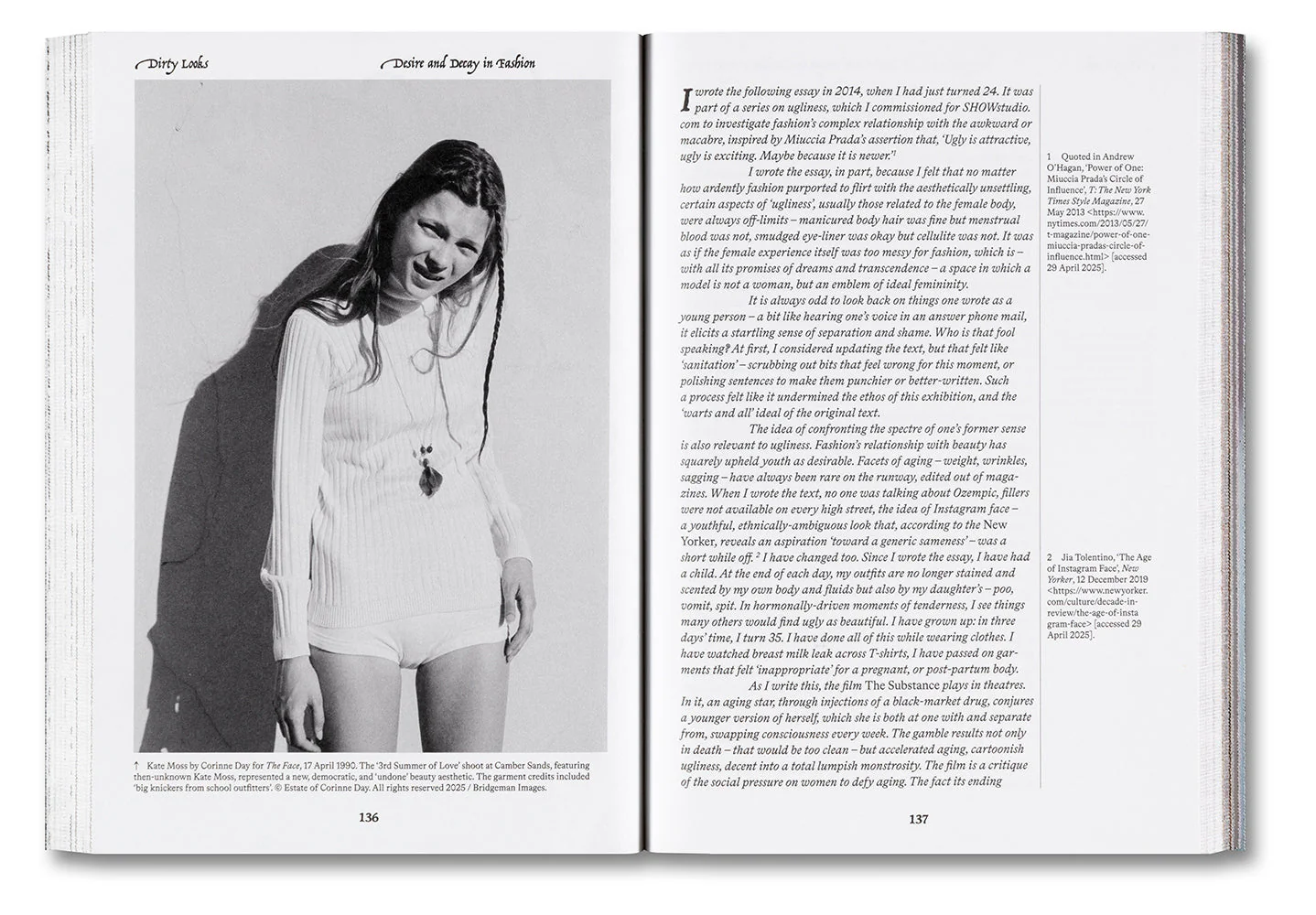
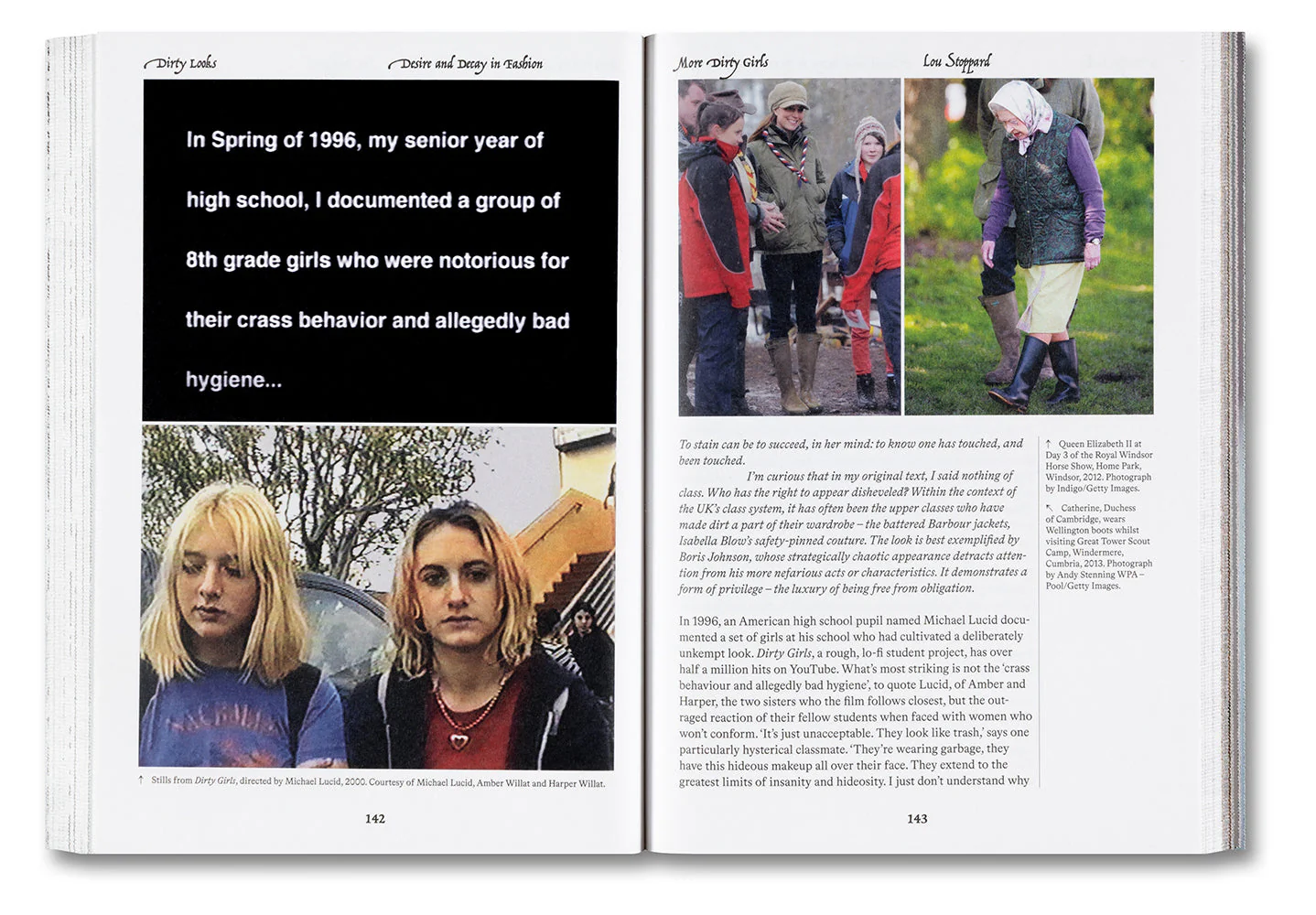
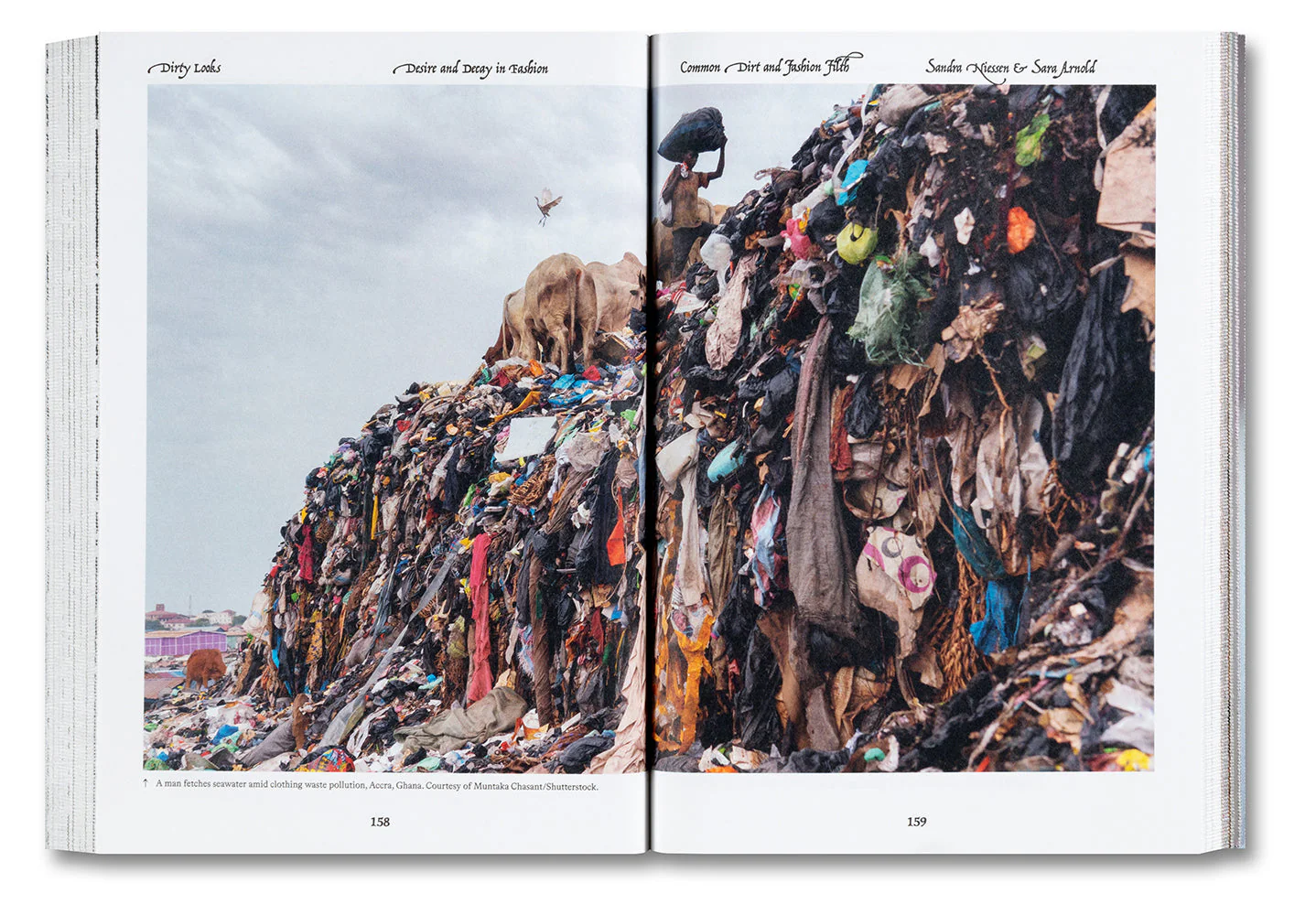
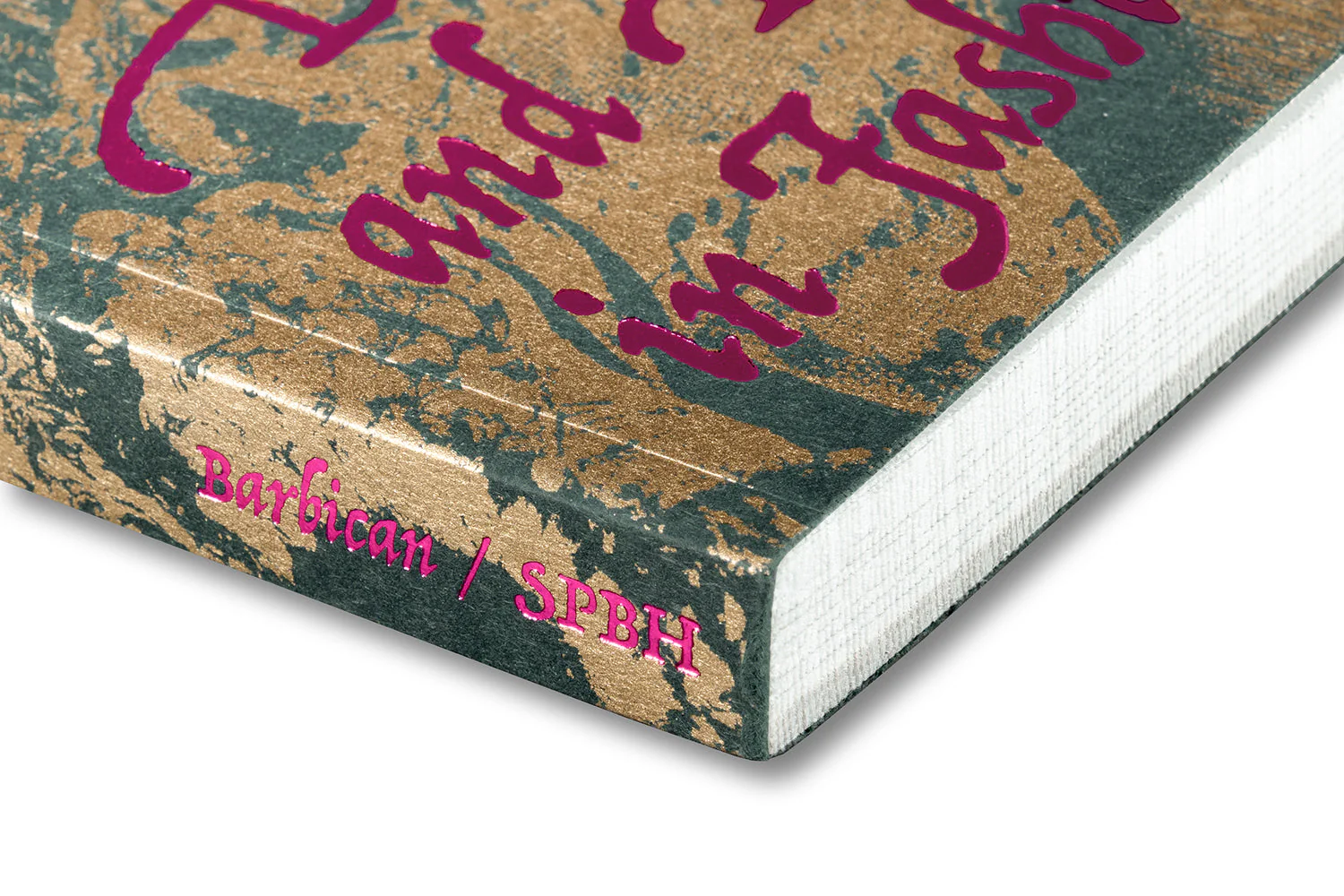
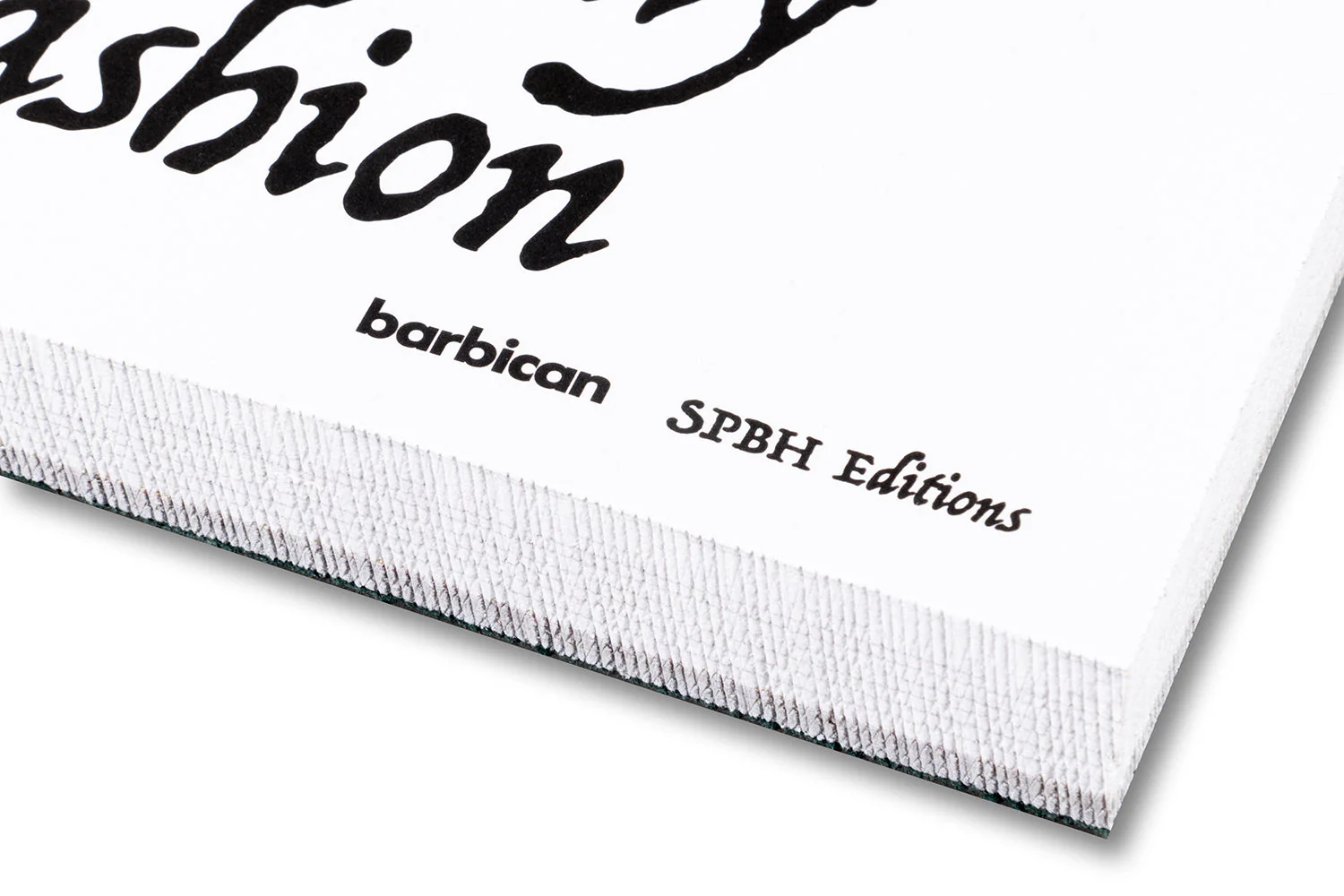
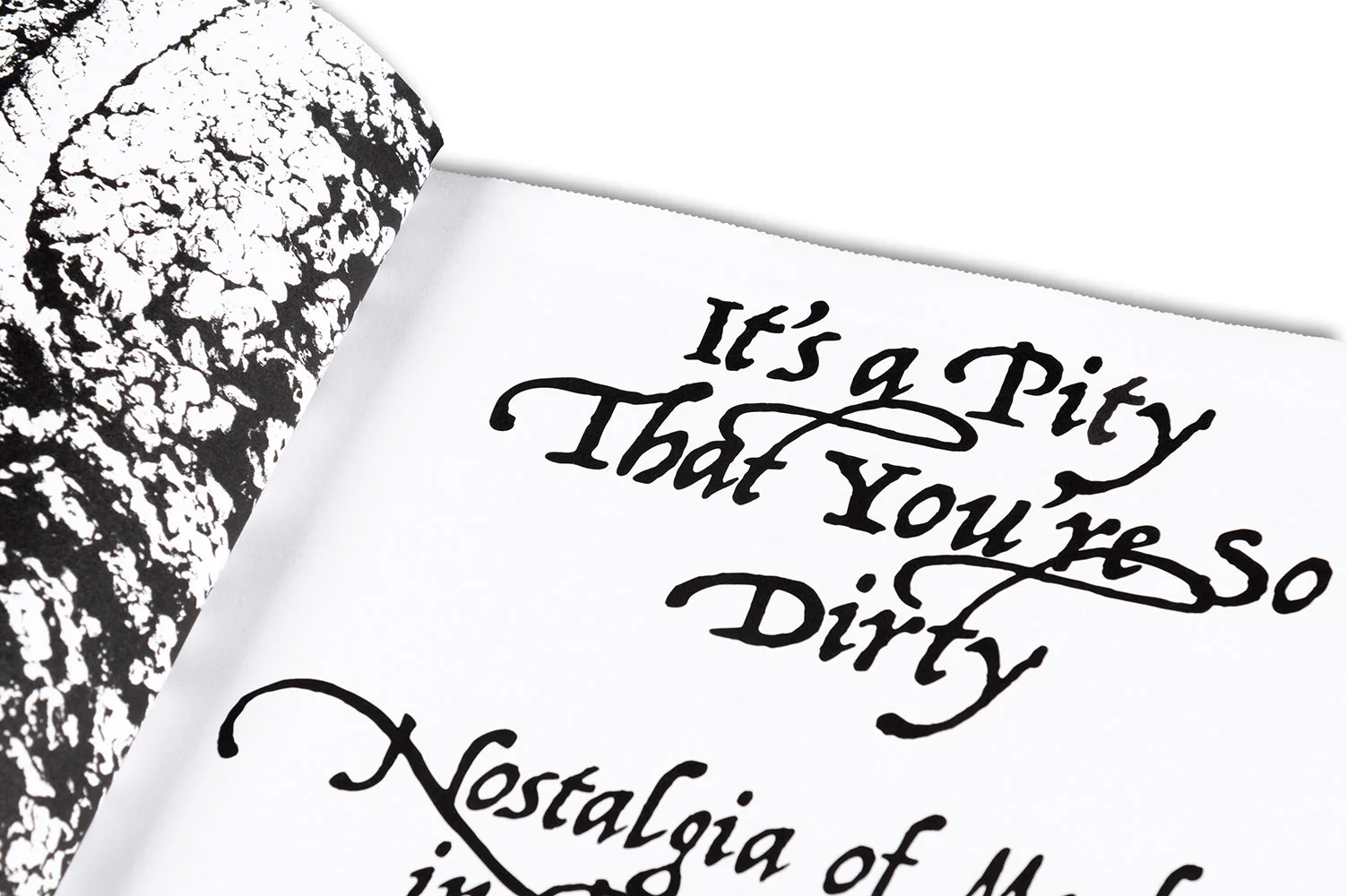
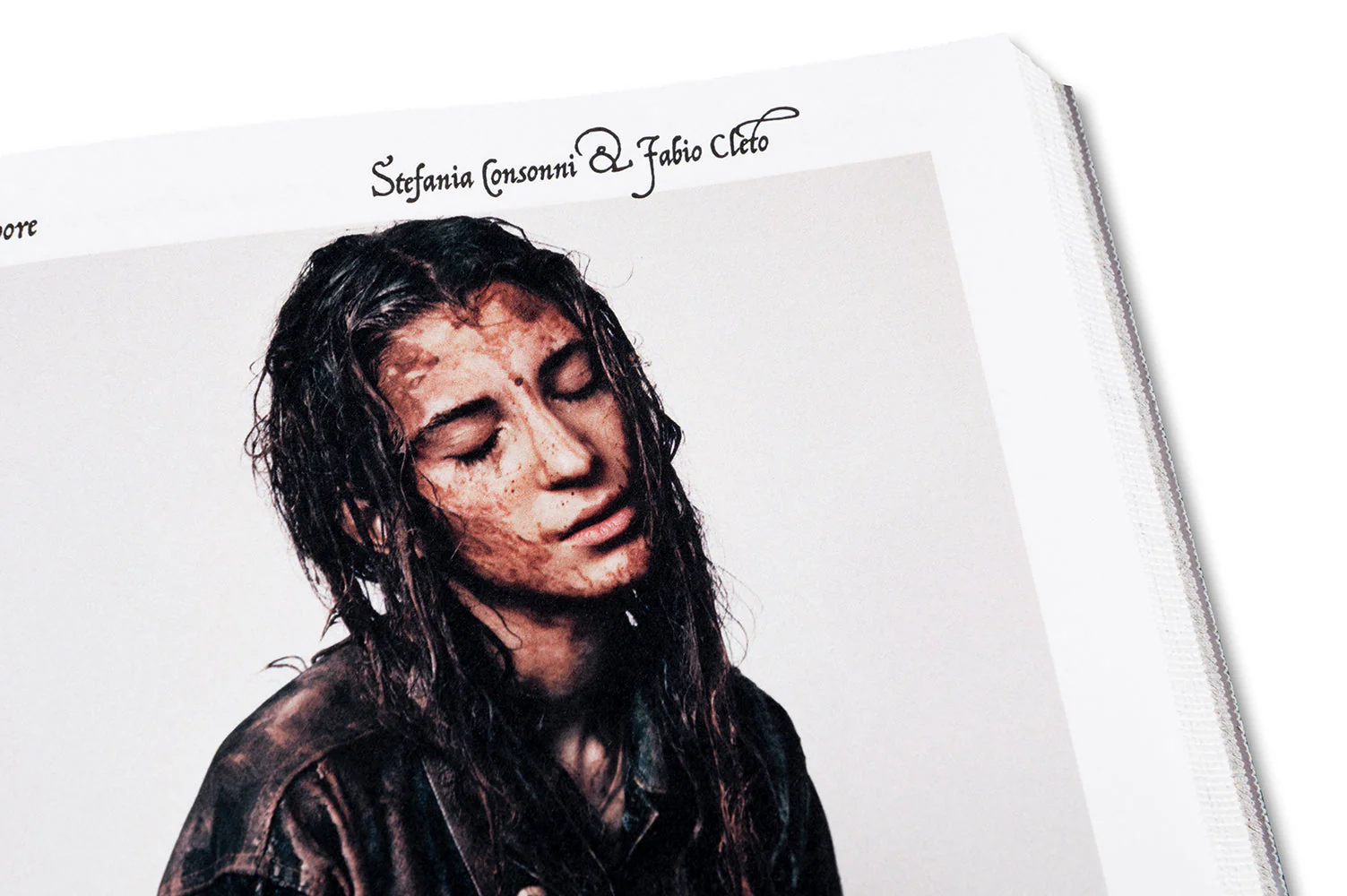
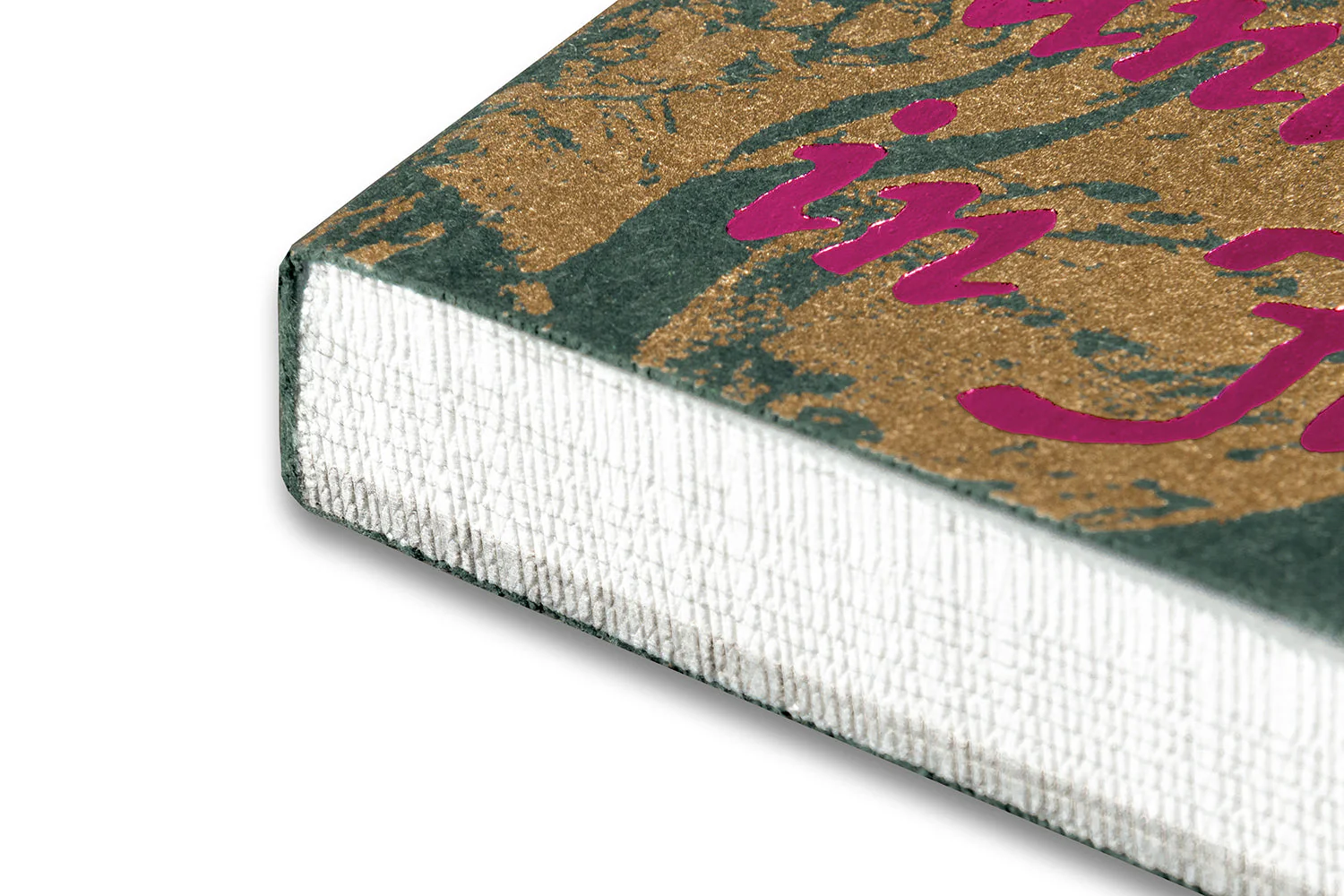
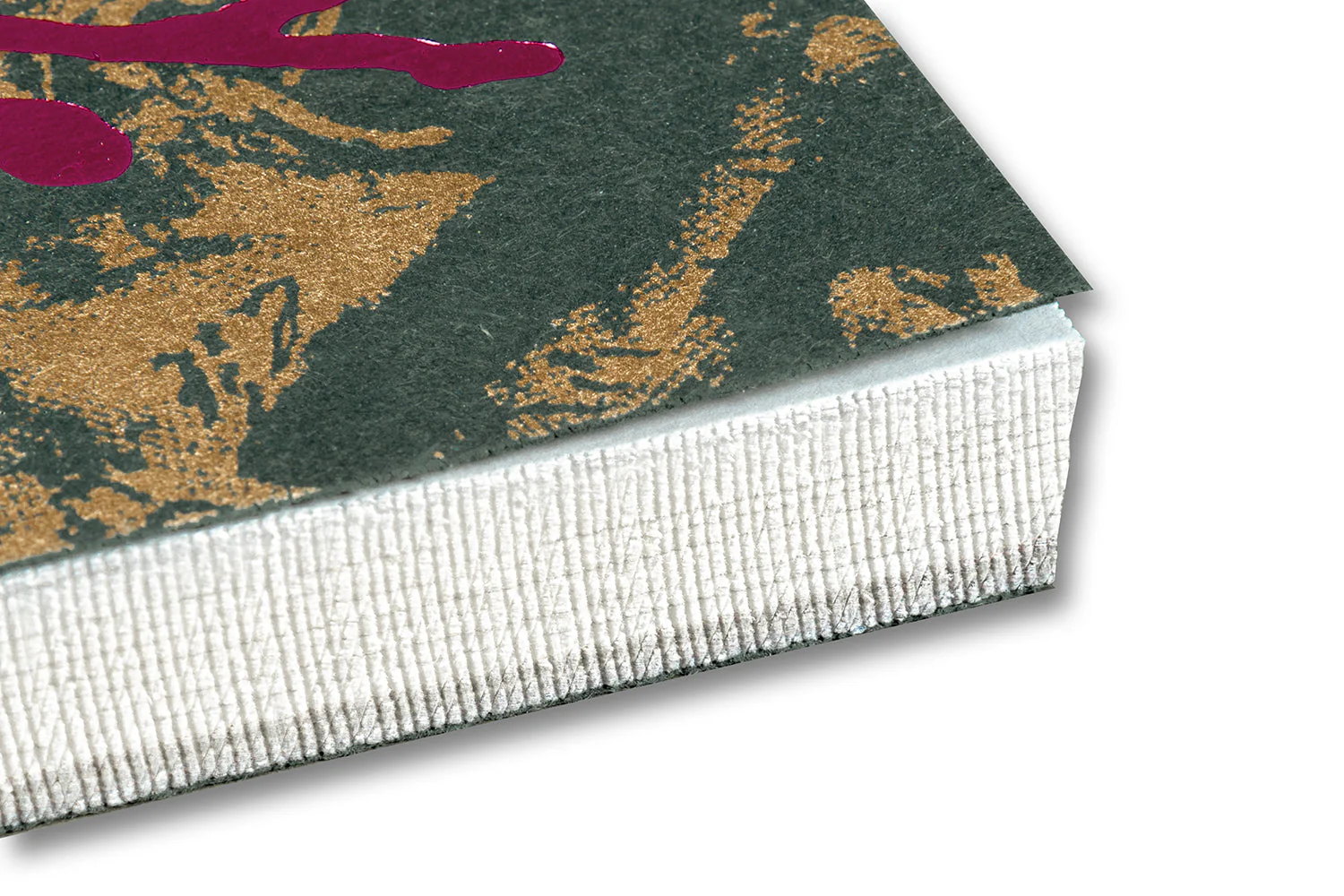
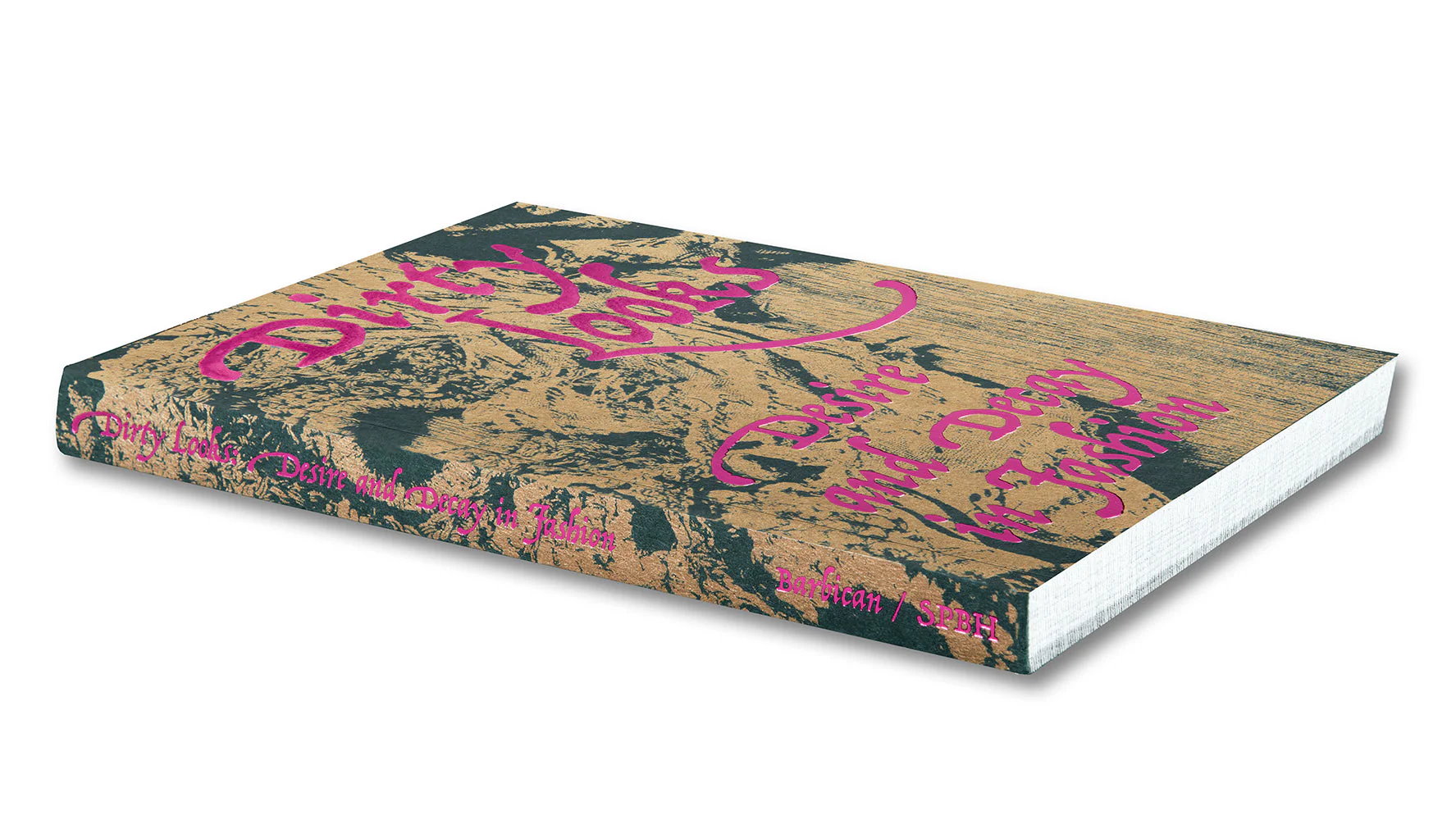
Scratching beneath fashion’s glossy surface, Dirty Looks: Desire and Decay in Fashion reveals the rich and varied ways in which fashion has harnessed the playful, radical, and regenerative potentials of dirt and waste as signifiers of rebellion, authenticity, and desirability. Various forms of dirt – organic as well as man-made – have emerged as vital sources of material innovation and artistic expression in a fashion landscape increasingly shaped by waste, climate emergency, and labour injustice. From garments that elevate stains and wornness into ornament to clothing submerged in bogs or created by transforming fashion waste, the creations presented here challenge established notions of taste, beauty, and luxury, suggesting new pathways for fashion’s future.
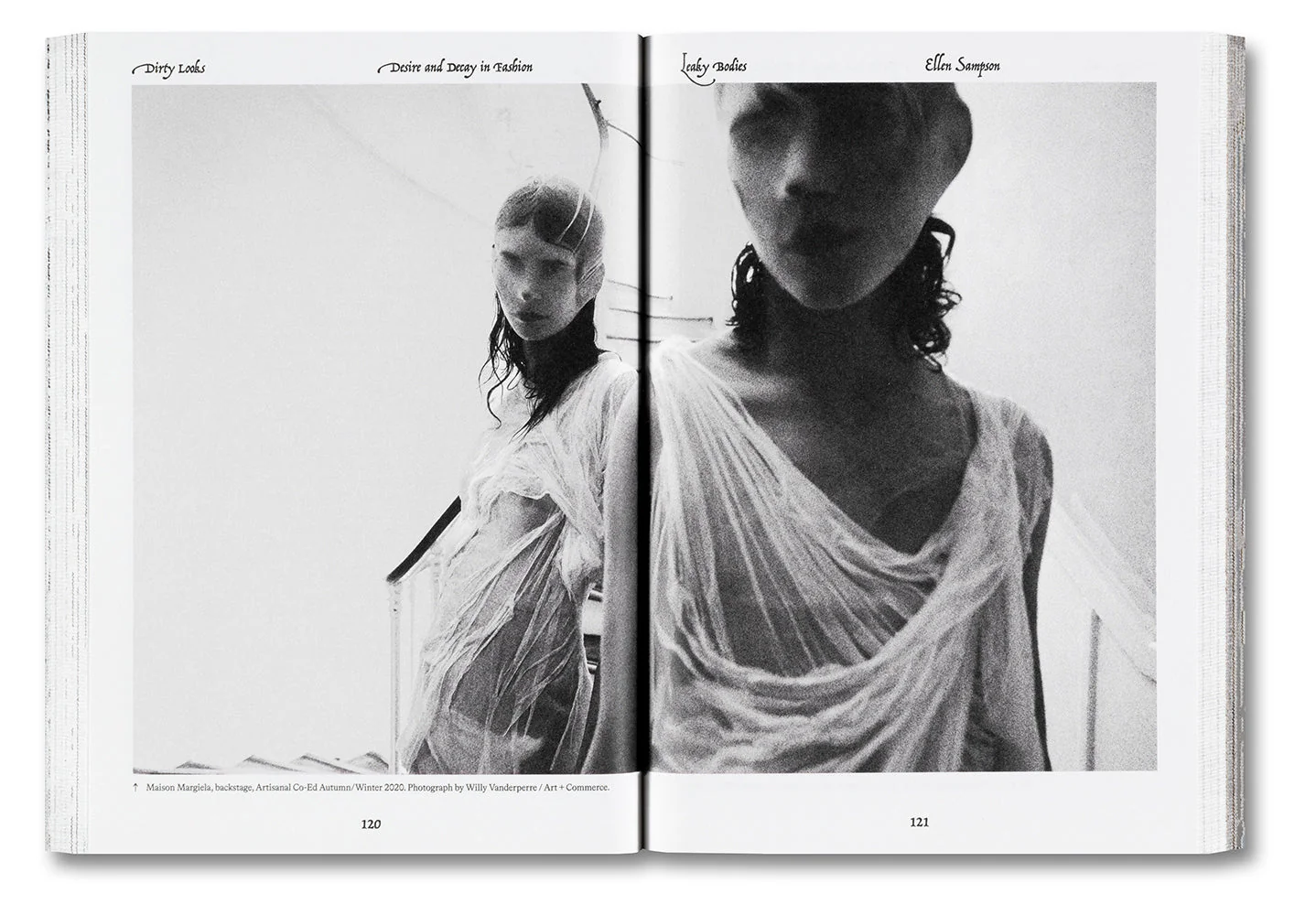
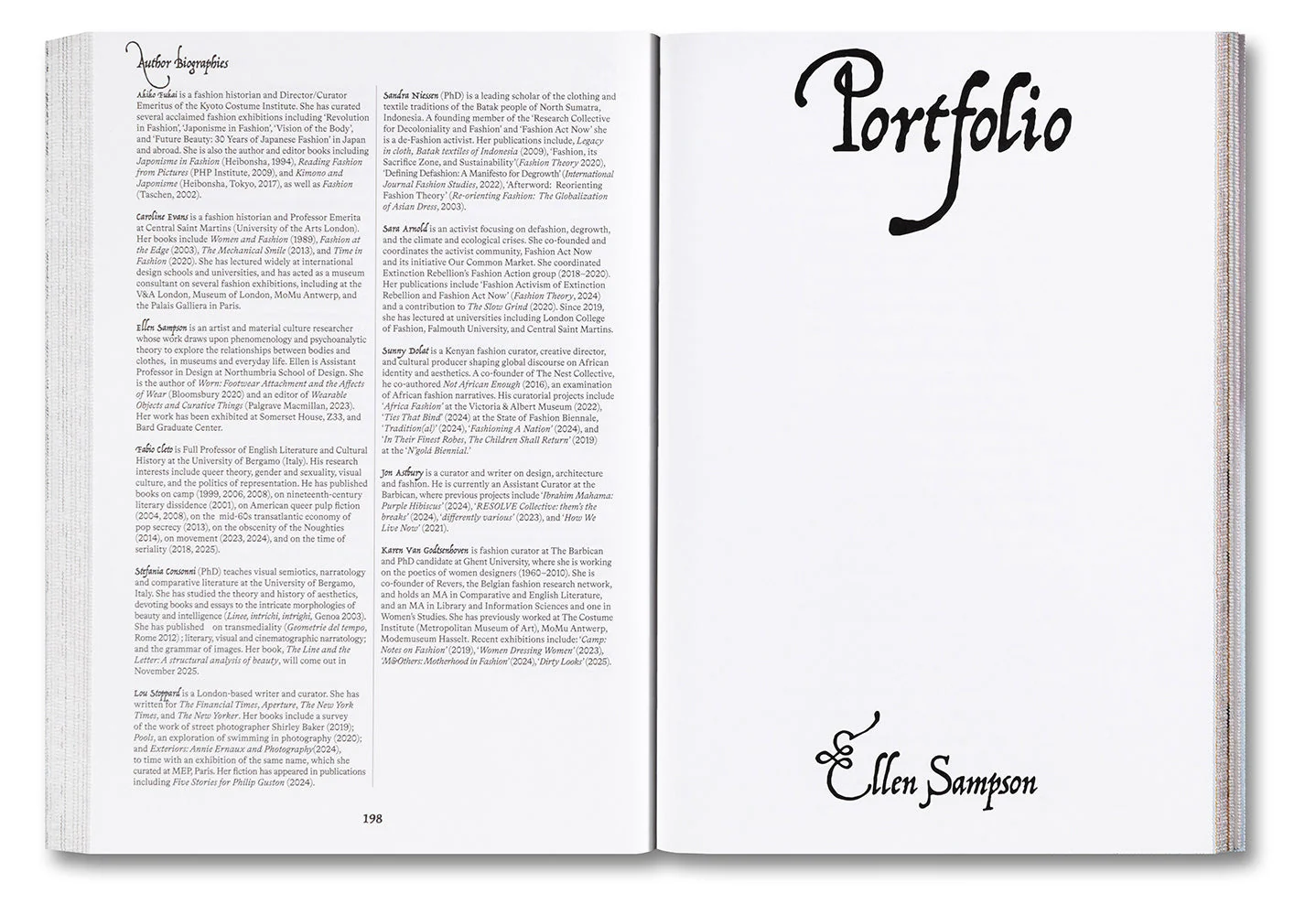
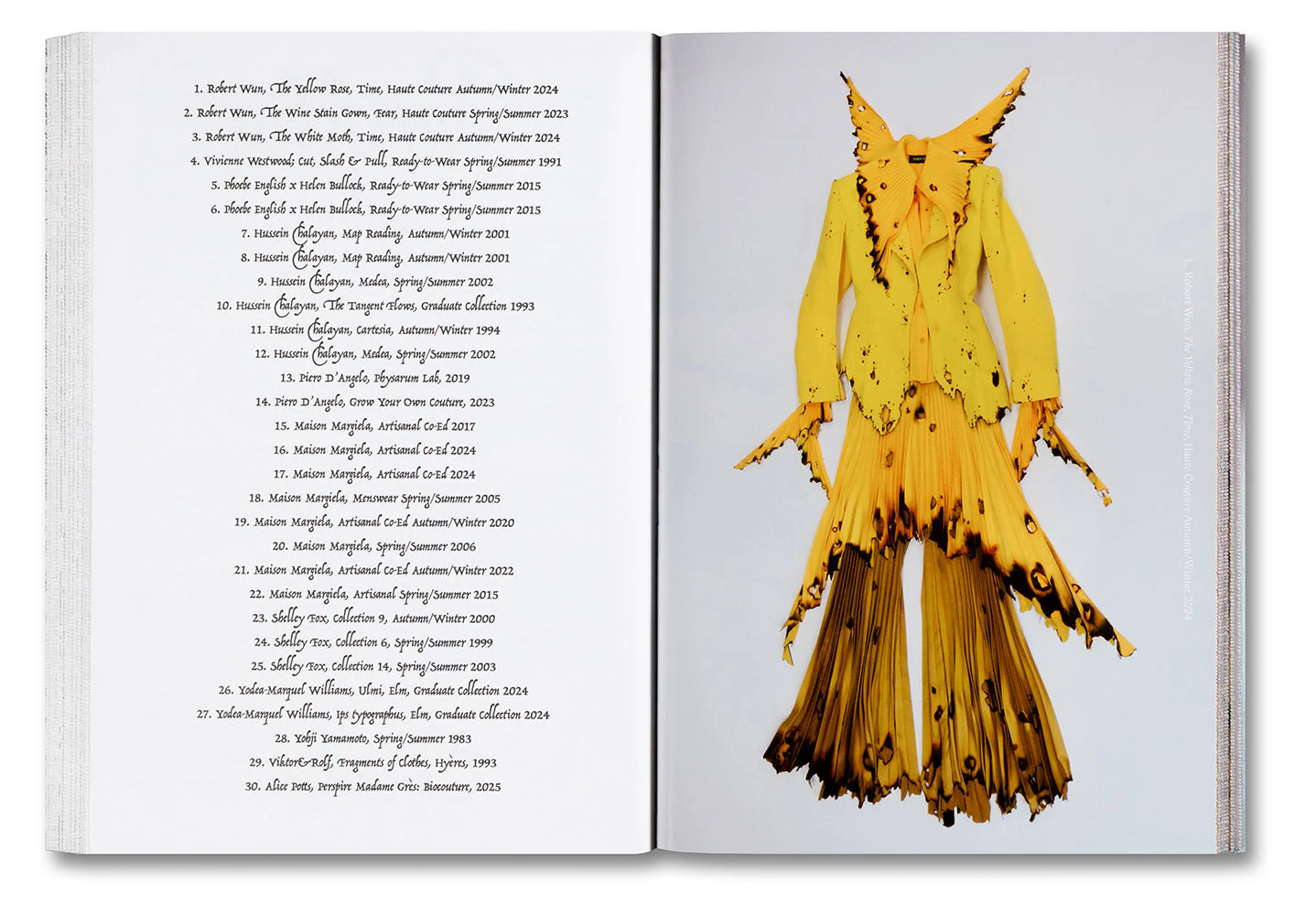
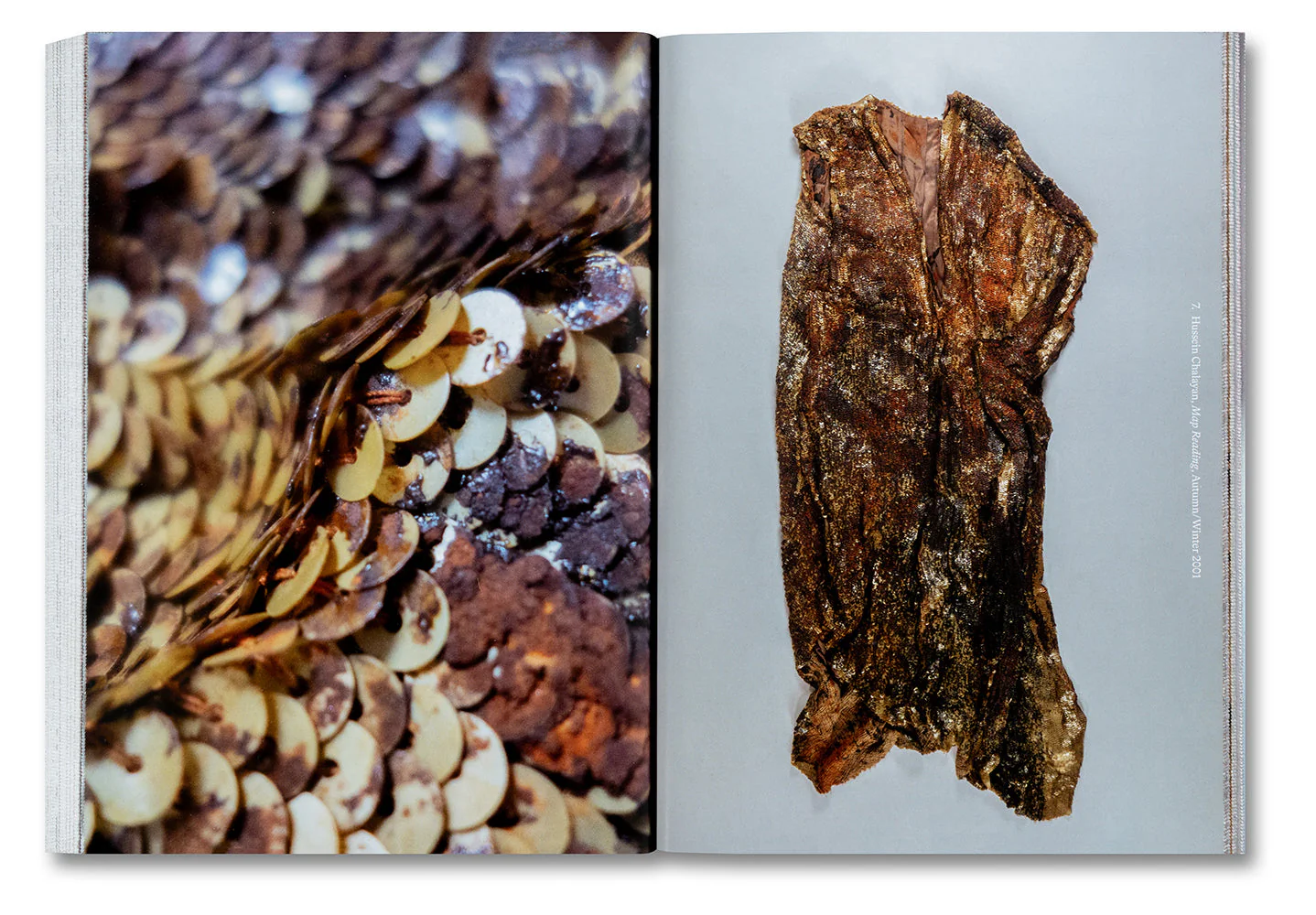
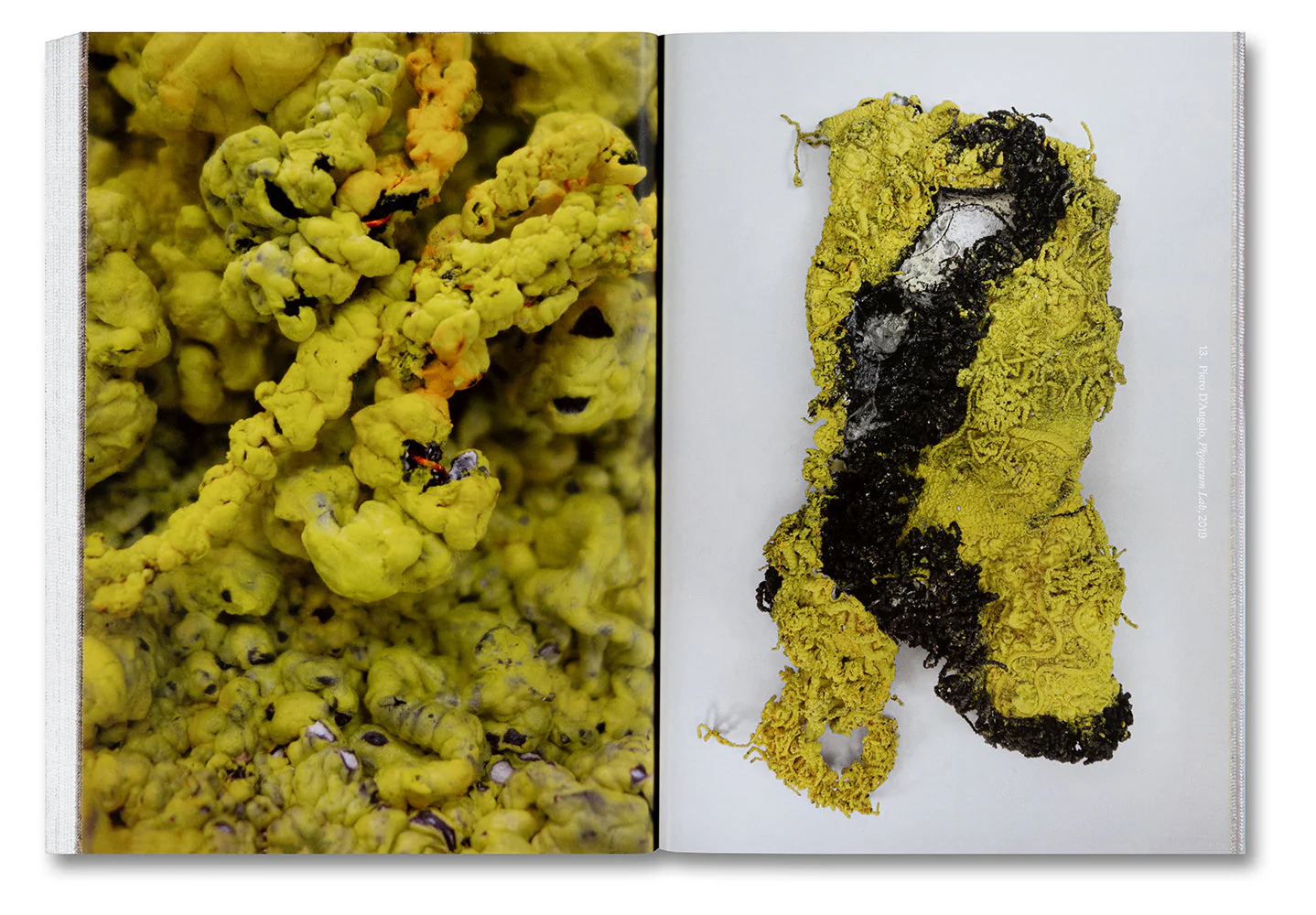
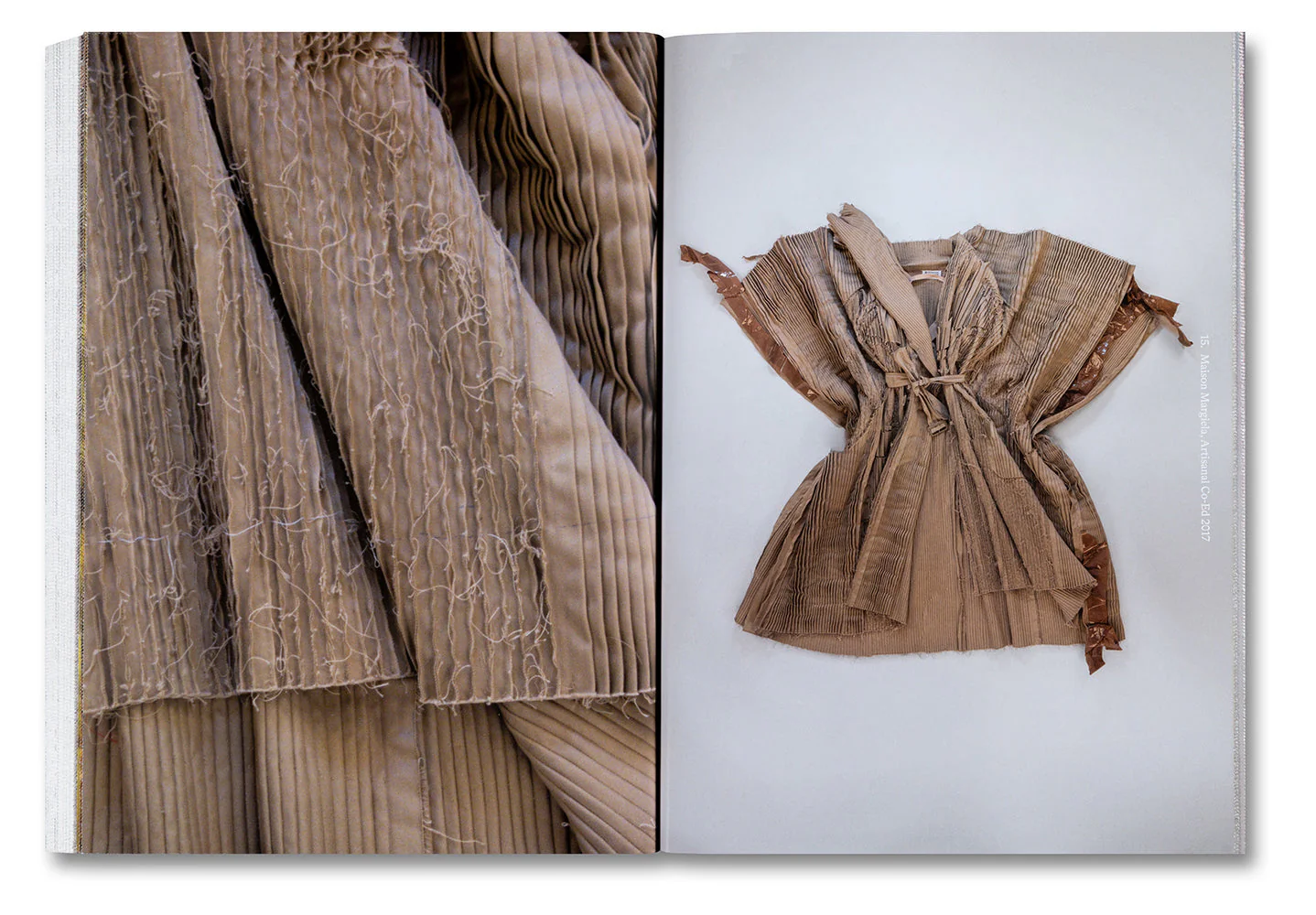
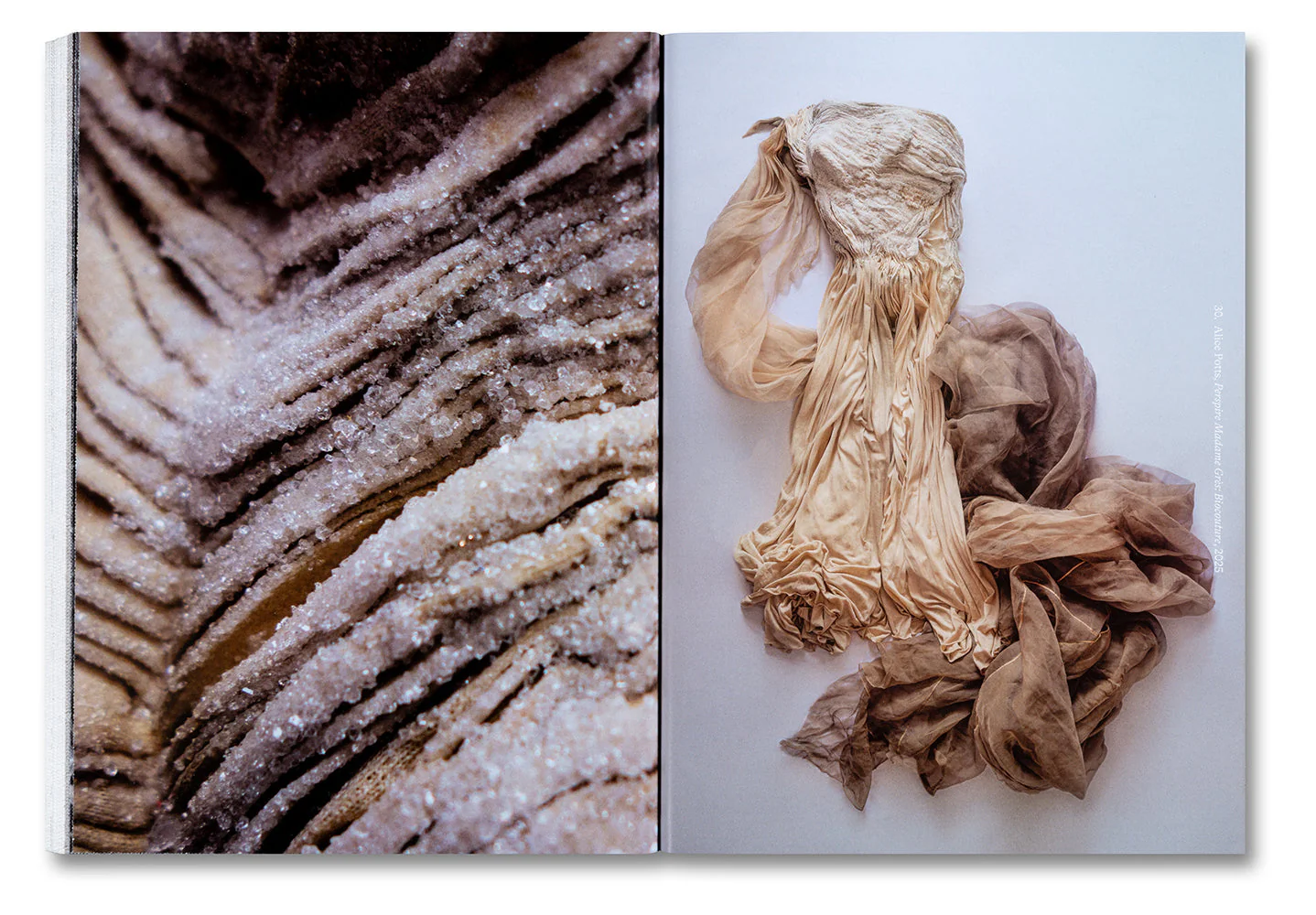
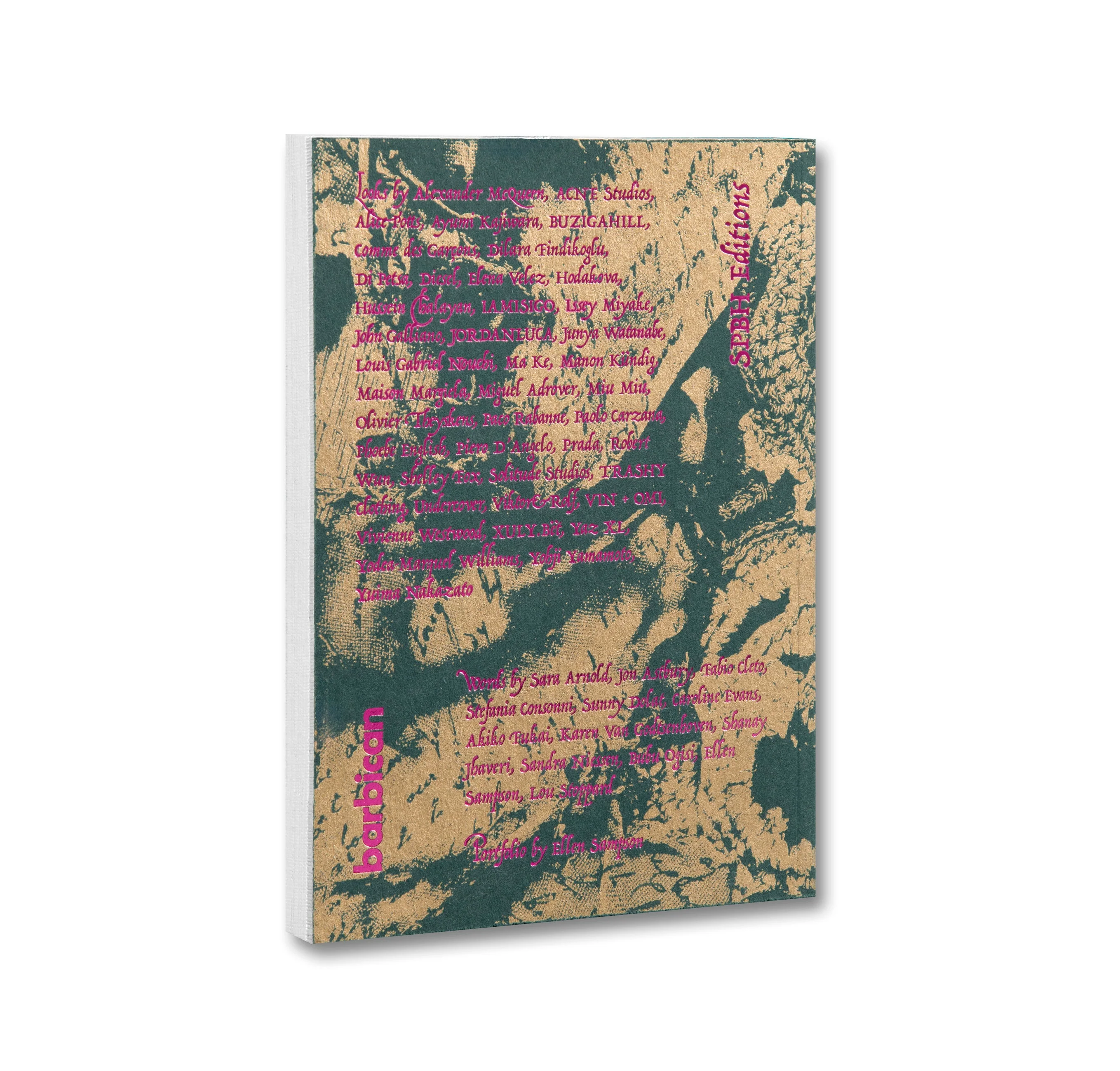
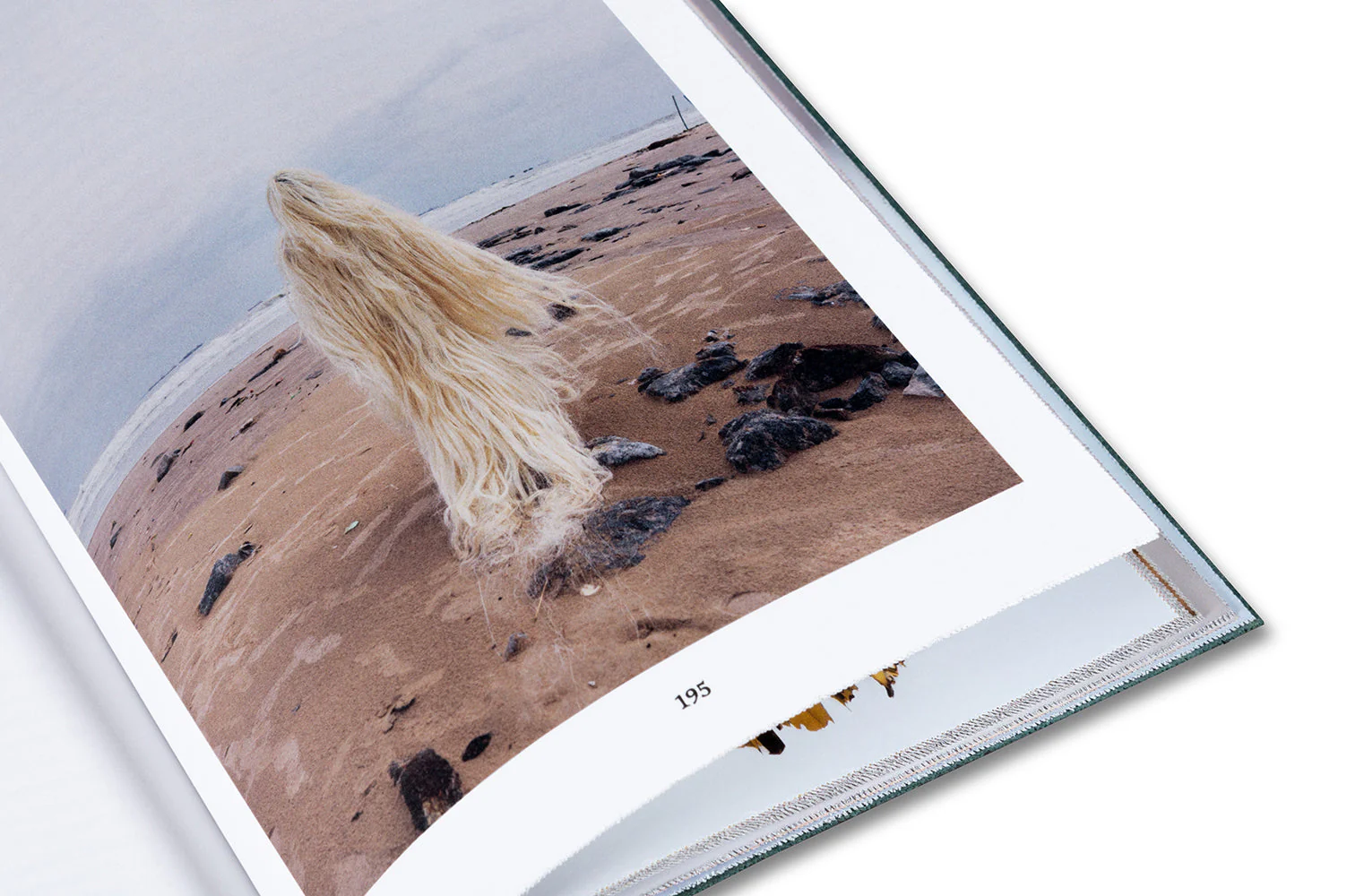
This publication coincides with the Barbican Gallery’s exhibition of the same title and features newly commissioned essays by influential thinkers in contemporary fashion, including Caroline Evans, Akiko Fukai, Lou Stoppard, and Sandra Niessen. Their writing moves across decolonial critique, feminist resistance, fashion’s environmental cost, and the persistent tension between bodily intimacy and public display. Alongside these texts, an extensive photographic portfolio by Ellen Sampson captures garments which embody the themes of the project in sharp, sensorial detail. Featured designers include Vivienne Westwood, Hussein Chalayan, Comme des Garçons, Jean Paul Gaultier, Alexander McQueen, and many more.
Dirty Looks offers a timely lens through which to examine the role of fashion in a world shaped by ecological crisis, cultural reckoning, and shifting aesthetic values. It invites readers to reconsider the narratives that define what we wear – and why.
Original: $45.00
-65%$45.00
$15.75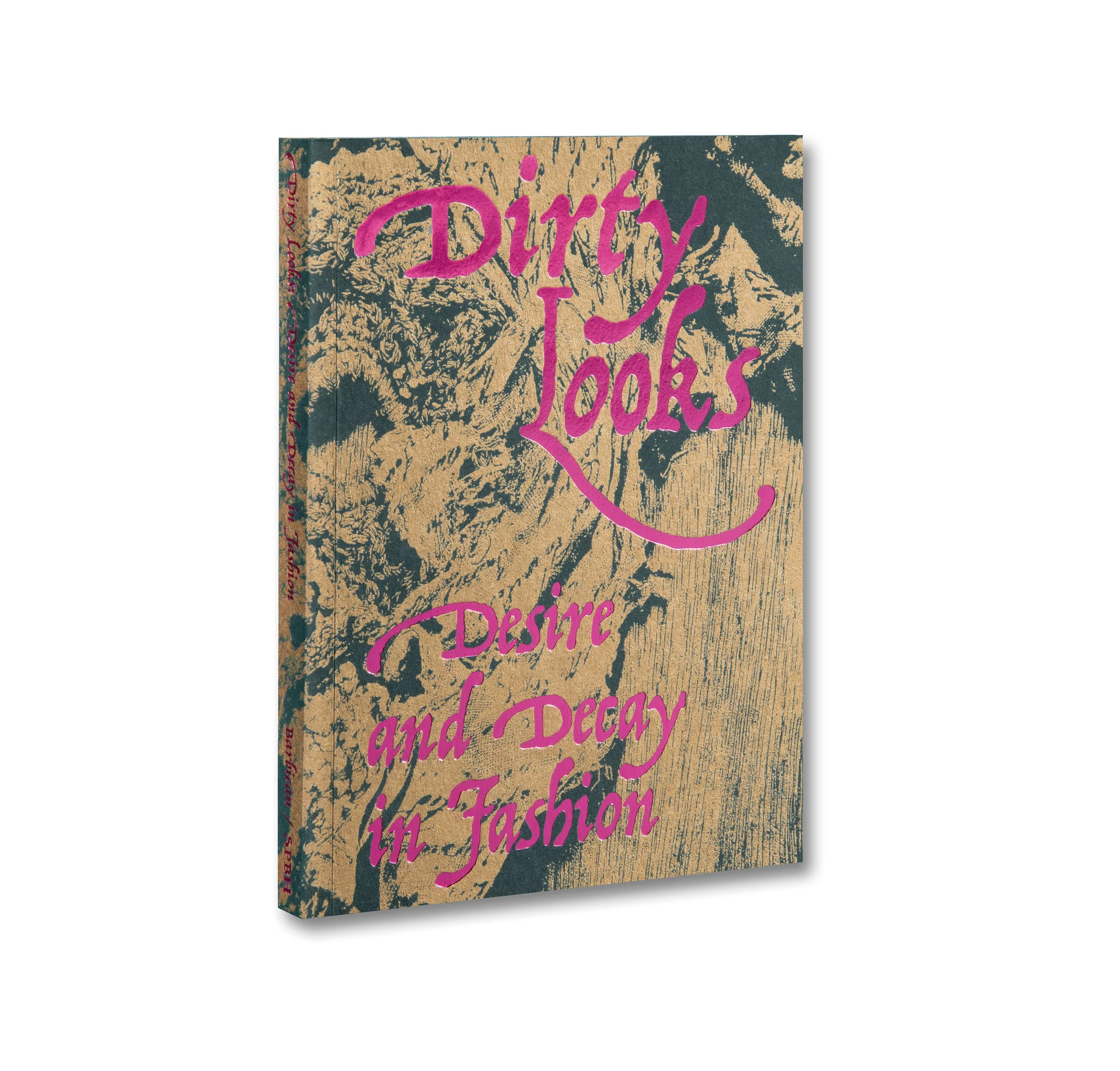
Description
Scratching beneath fashion’s glossy surface, Dirty Looks: Desire and Decay in Fashion reveals the rich and varied ways in which fashion has harnessed the playful, radical, and regenerative potentials of dirt and waste as signifiers of rebellion, authenticity, and desirability. Various forms of dirt – organic as well as man-made – have emerged as vital sources of material innovation and artistic expression in a fashion landscape increasingly shaped by waste, climate emergency, and labour injustice. From garments that elevate stains and wornness into ornament to clothing submerged in bogs or created by transforming fashion waste, the creations presented here challenge established notions of taste, beauty, and luxury, suggesting new pathways for fashion’s future.
This publication coincides with the Barbican Gallery’s exhibition of the same title and features newly commissioned essays by influential thinkers in contemporary fashion, including Caroline Evans, Akiko Fukai, Lou Stoppard, and Sandra Niessen. Their writing moves across decolonial critique, feminist resistance, fashion’s environmental cost, and the persistent tension between bodily intimacy and public display. Alongside these texts, an extensive photographic portfolio by Ellen Sampson captures garments which embody the themes of the project in sharp, sensorial detail. Featured designers include Vivienne Westwood, Hussein Chalayan, Comme des Garçons, Jean Paul Gaultier, Alexander McQueen, and many more.
Dirty Looks offers a timely lens through which to examine the role of fashion in a world shaped by ecological crisis, cultural reckoning, and shifting aesthetic values. It invites readers to reconsider the narratives that define what we wear – and why.